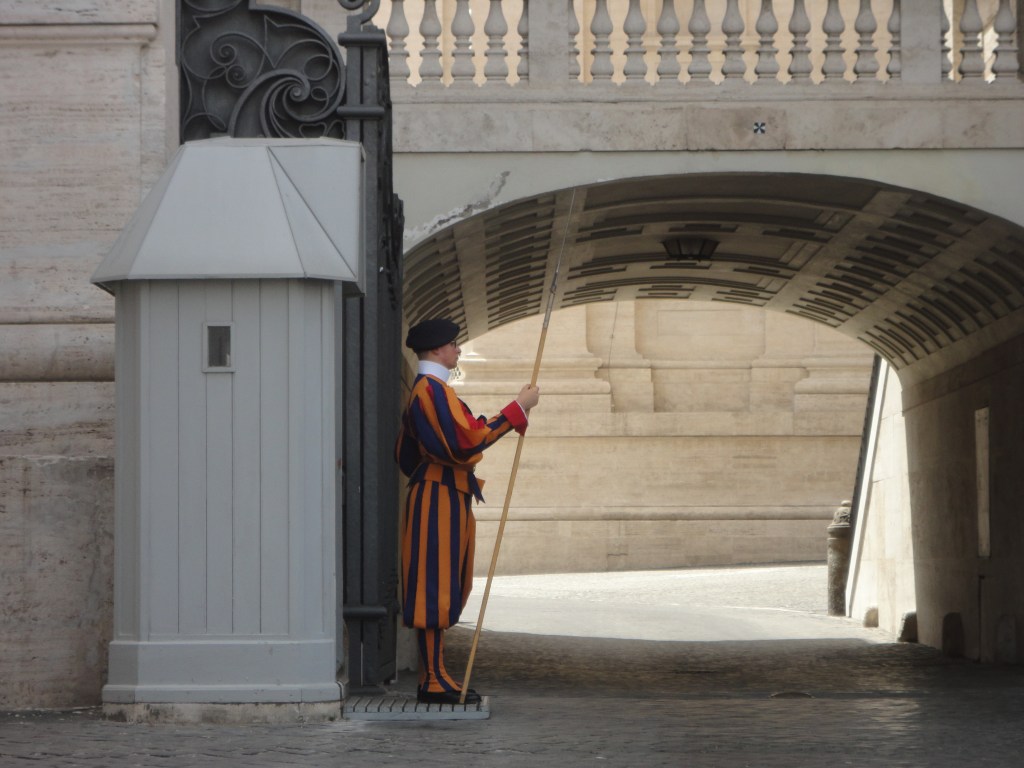
Vatican City is an independent city state within the borders of the province of Rome. It is the center of the Catholic sect in Christianity. It has a population of approximately 1000 people. Its population consists of priests and guards from various countries. The Pope is both the head of state and the spiritual leader. It declared its independence in 1929 and has the title of the smallest state governed by a monarchy. 110 Swiss soldiers guard the Vatican. They must be Christian and under the age of 30. The Vatican attracts a lot of attention due to its St. Peter’s Basilica, the Vatican Museums and the Sistine Chapel, and hosts thousands of tourists every year. Your attire must be appropriate at the entrance, arms and shoulders must be covered, shorts, miniskirts, hats, etc. are not allowed. It is forbidden to enter with large backpacks and umbrellas, you must leave them in the cloakroom.
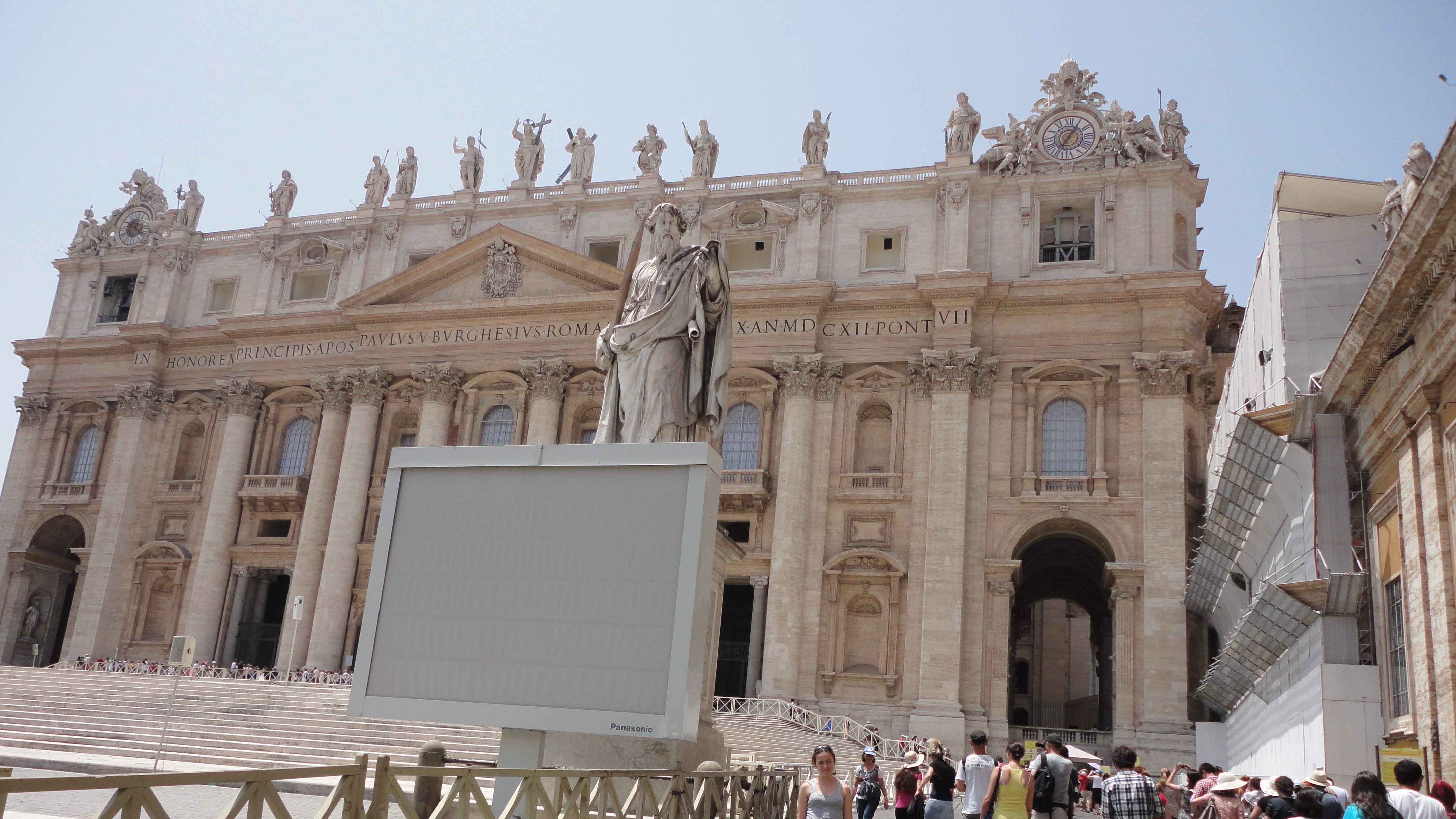
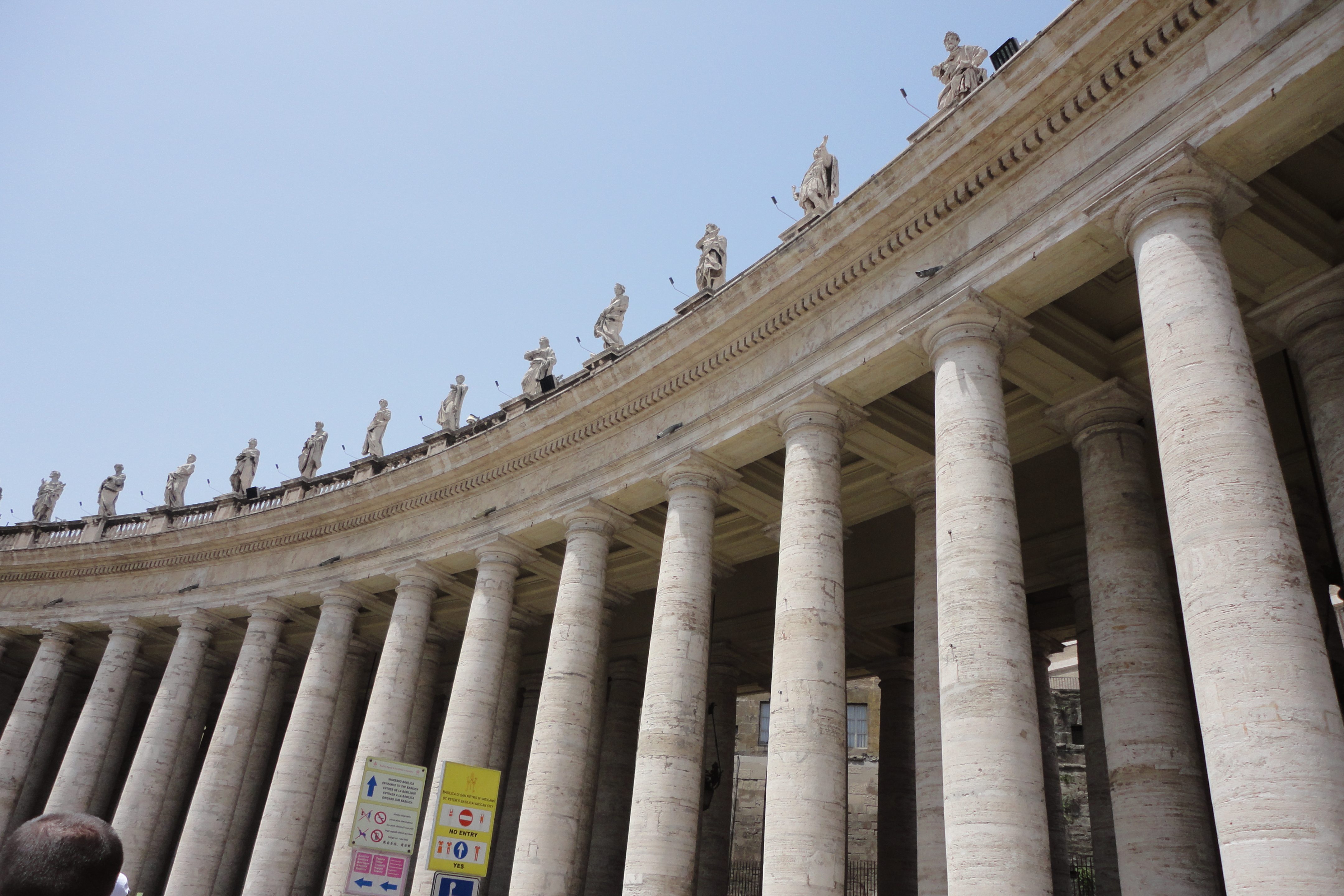

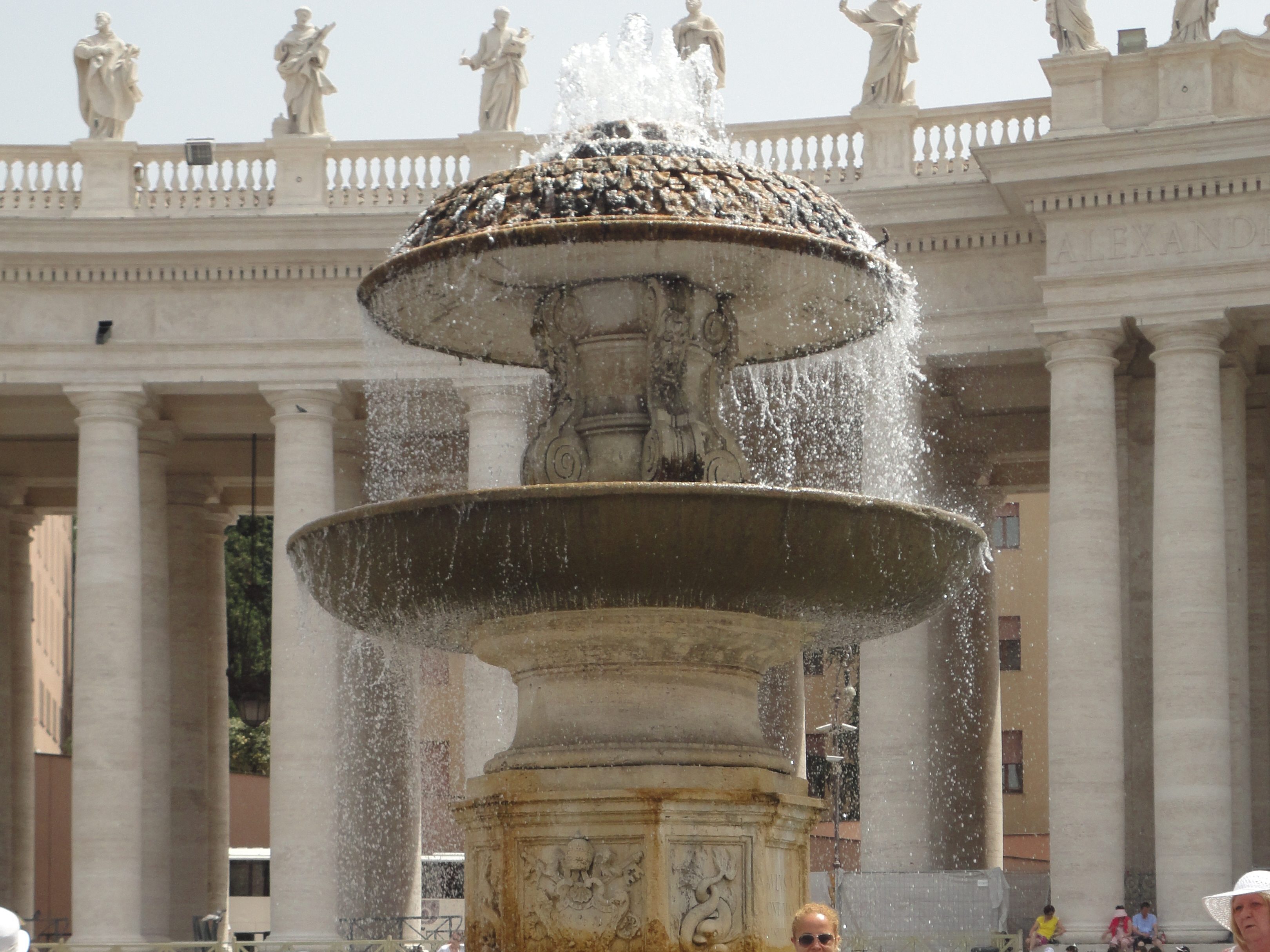
Basilica di San Pietro (St. Peter’s Basilica): St. Peter was one of the 12 apostles of Jesus Christ, the first pope of the Christian world and the person who brought Christianity to Rome. The basilica was built on the site where St. Peter was killed, construction began in 1547 and took more than 100 years to complete. Its main architect was Michelangelo. Most of it was built during his time and completed after his death. Masters such as Raphael, Bernini and Bramante also took part. The basilica can be visited free of charge but the dome is not. With a capacity of 60,000 people, it is one of the largest basilicas in the world. The San Pietro square in front of the basilica is decorated with two fountains designed by Carlo Maderno and Bernini. There is also a 25.5-meter-high obelisk erected by Pope Sixtux V and brought from Egypt. The square is designed by Bernini and it is surrounded by columns and decorated with 140 statues of saints. There is also another statue of St. Peter in front of the basilica.
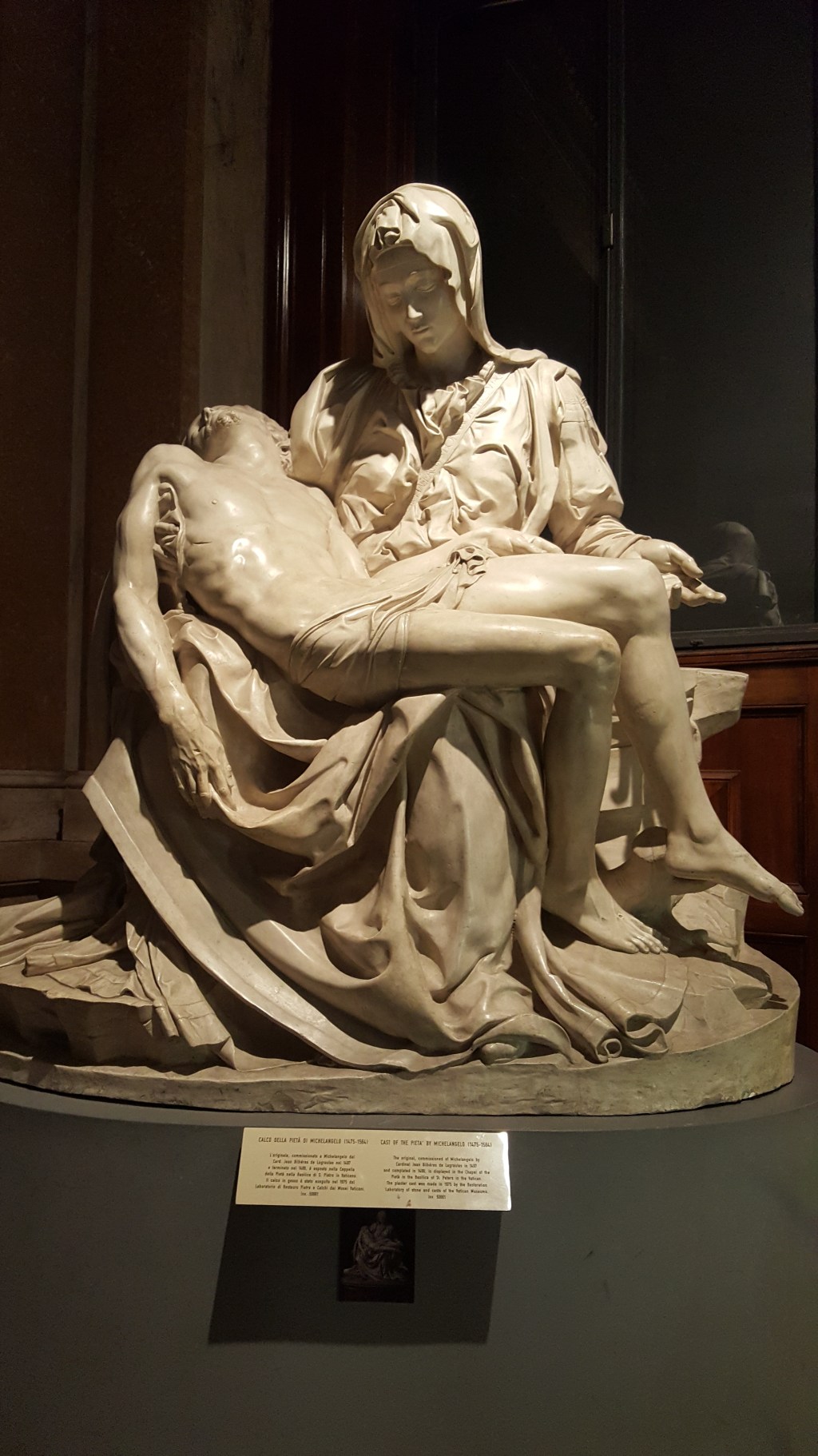
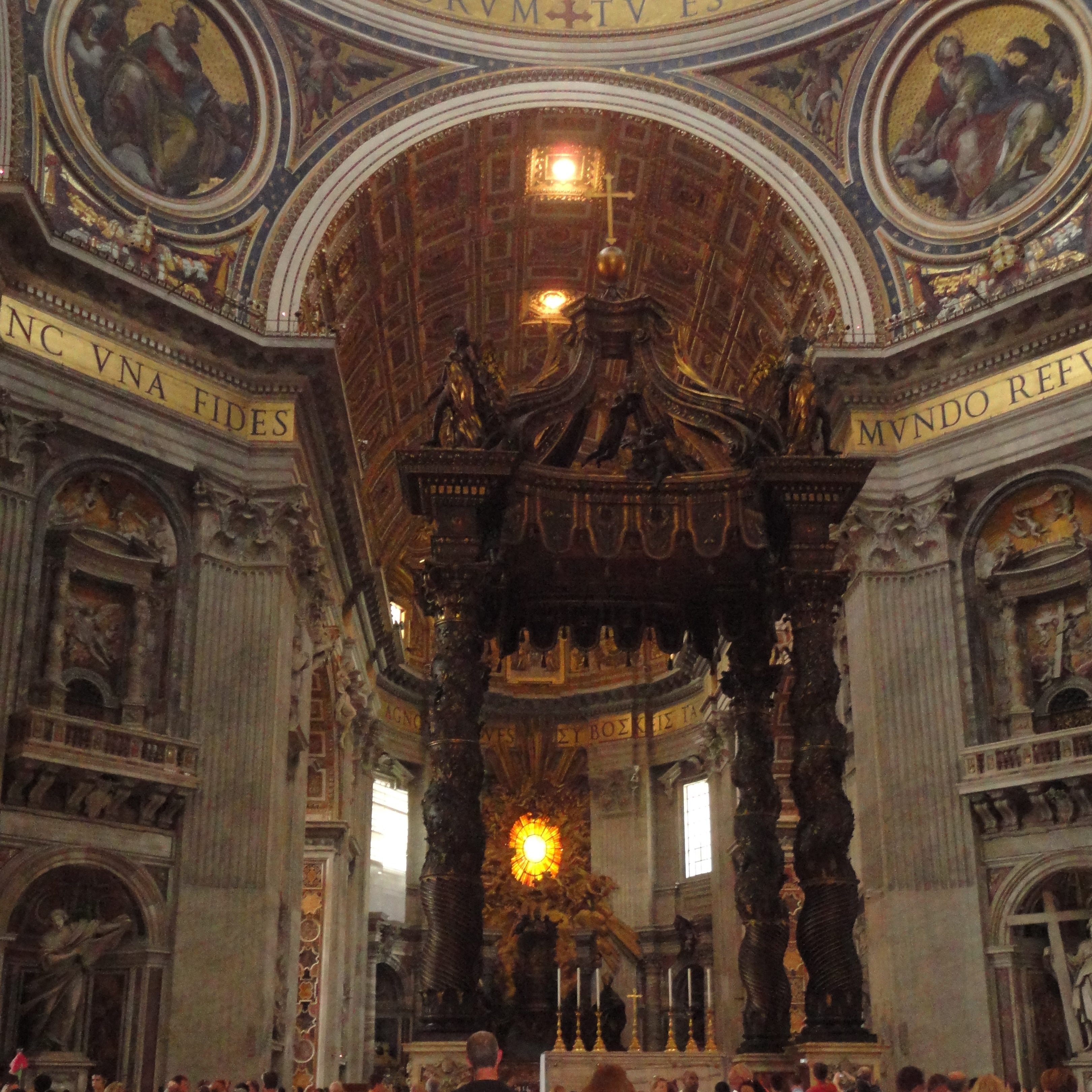
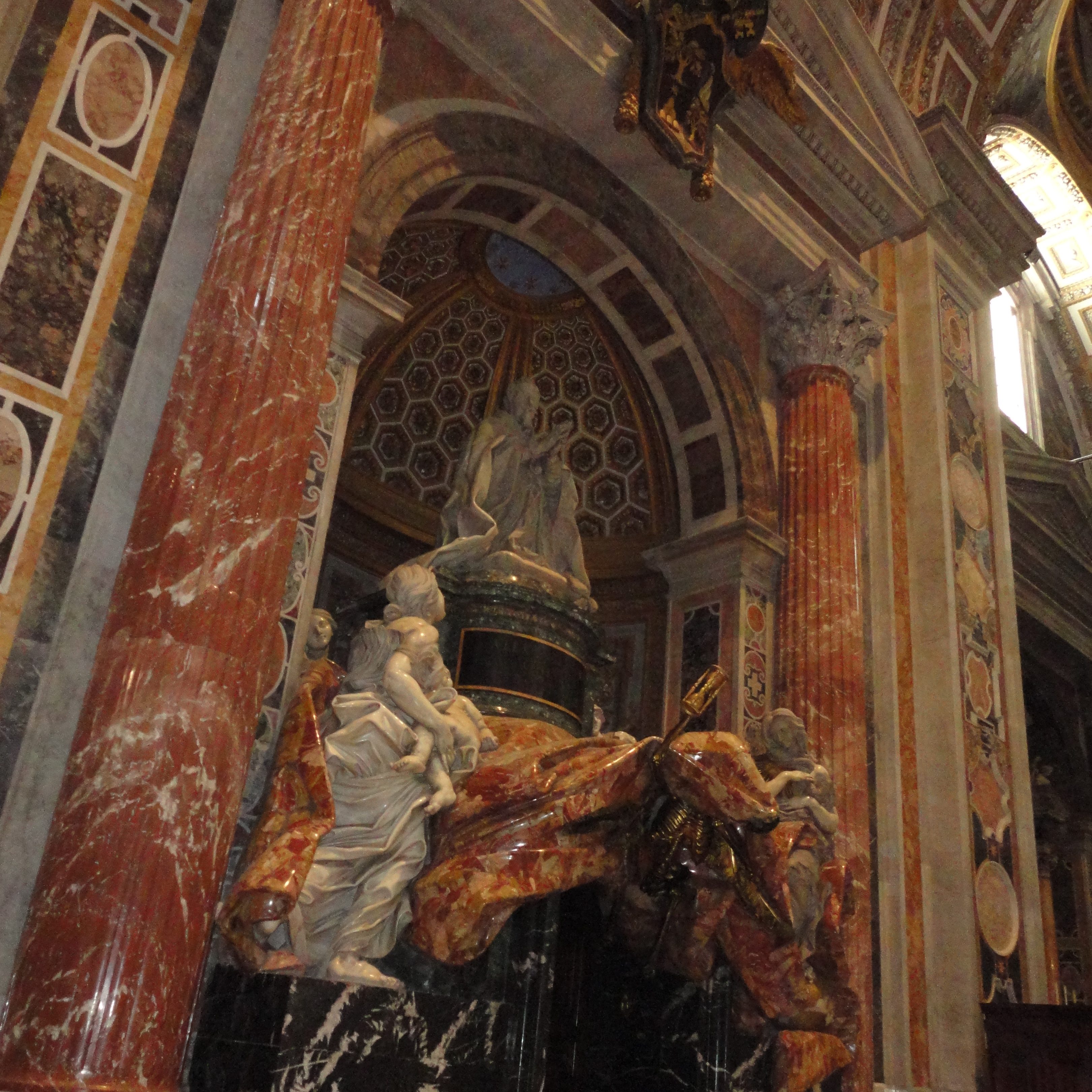
Inside the basilica there are 11 chapels, 45 altars and many valuable Renaissance works, as well as wonderful ceiling decorations and frescoes. Among the most important is the statue signed by Michaelangelo, the only work he signed, Pieta (Mercy). It is a magnificent work. Michelangelo’s signature is found on the piece that goes over the chest of Mary. I was made of a single piece of marble. Jesus is depicted in the arms of his mother Mary after he is taken down from the cross. Pieta was attacked in 1972. One of Mary’s arms was lost, her nose, eye and part of her veil were damaged. It was corrected with a restoration that lasted 10 months. Master Michelangelo worked the marble like a fabric. After the attack, the work is kept behind bulletproof glass. Baldachin: A baldachin can be described as a section rising on four-legged columns made to cover an altar, object or person. It emphasize and increase the importance of what it covers. This baldachin was made by Bernini and is uniquely beautiful. It was made in Baroque style and has 4 marble columns and is located right under the dome. The tomb of St. Peter is located under the baldachin. St. Peter statue: Queues form in front of the statue to touch or kiss its hands and feet because it is believed to bring respect or luck. Pope Alexander VII. monumental tomb: Made by Bernini. Alexander is depicted on his knees at the top of the monument. There are 4 female statues around him. Charity, depicted with a child in her arms, represents charity. To her right and on the globe is Truth, representing truth. Those located a little further are Prudence (common sense) and Justice. The bronze skeleton statue under Alexander represents death. This figure is holding up an hourglass to remind us of the passage of time. The hourglass has a symbolic meaning of memento mori – remember that you will die. The Holy Gate: Although not very noticeable, the sacred gate “Porta Sancta”, which has an important place, is opened every 25 years. It is traditionally used as the entrance gate for papal celebrations in Rome.


Vatican Museums – Vatican Gardens and Sistine Chapel: The museums are one of the largest and most beautiful museums in the world within the borders of the Vatican City. It consist of 54 galleries together with the Sistine Chapel. It hosts approximately 70 thousand works. The tour area covers an area of 7 kilometers. The areas worth seeing can be summarized as follows. A separate ticket is required to see the gardens. Since it is not possible to describe all of the museums here, it would be right to briefly mention the most important ones.
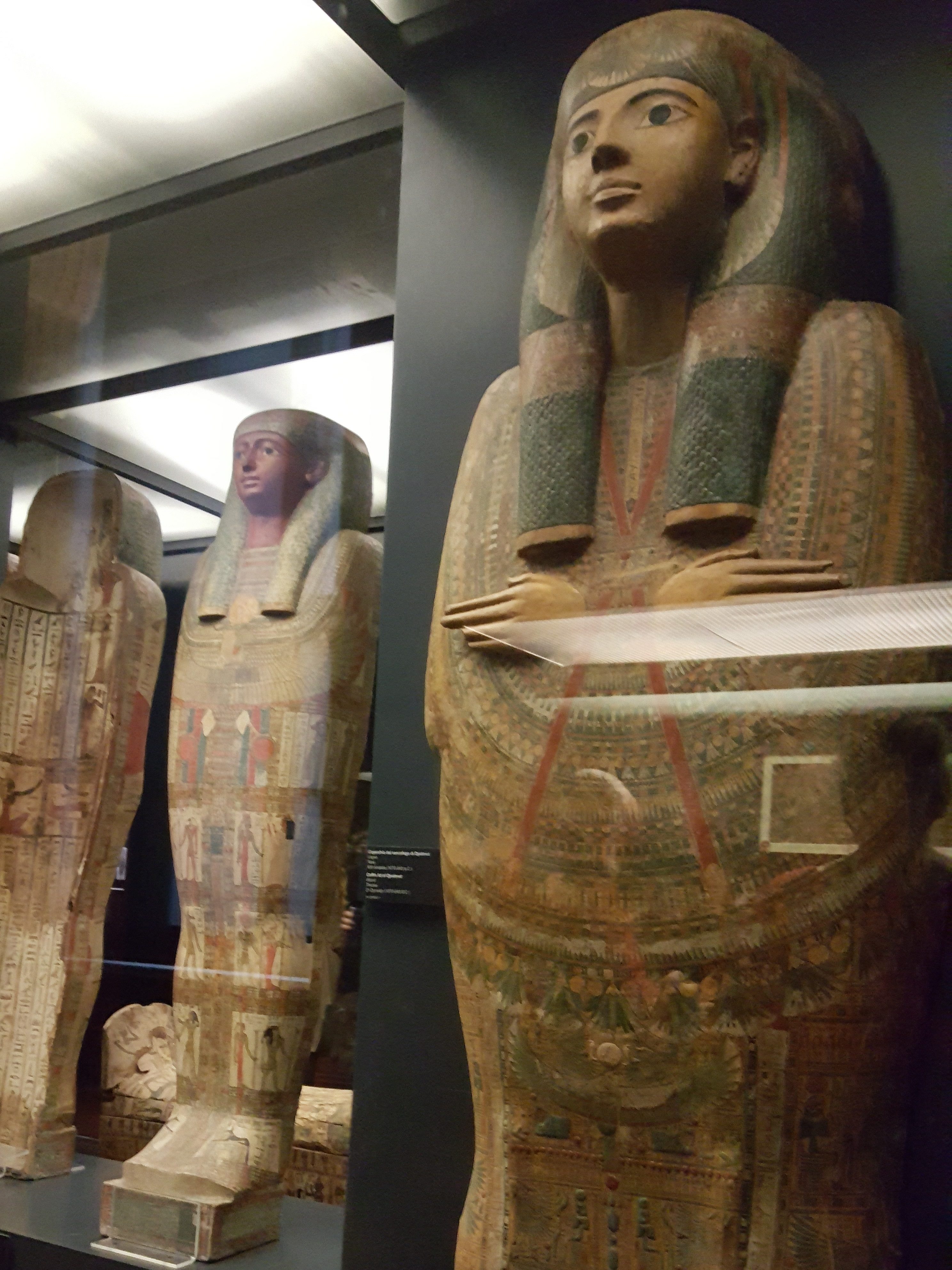
Egyptian Museum – A section of 9 rooms where works brought from Egypt are exhibited.
Pio Clementino Museum: Works from the ancient Greek and Roman periods are exhibited.
Chiaramonti Gallery – Statues and sarcophagi are exhibited. Among the things to see are the busts of the Roman emperors Tiberius and Hadrian, and the statue of the child Eros.
Braccio Nuovo – The ancient Roman period works here are worth seeing. The statue of Lucius Verus with the goddess of victory Nike in his left hand, the two-meter-high statue of Augustus of Prima Porta with wonderful handcrafted symbols on it, and the statue of the God of the Nile are among the things worth seeing.
Candelabra Gallery: It takes its name from the large marble candlesticks that divide the gallery into six sections, and is decorated with Roman period statues and wall frescoes.
Gallery of Tapestries – The section where historical tapestries are located. Gallery of Maps – Historical maps are located. Hall of Animals: Animal statues from the ancient period are exibited.
Gallery of Statues – Hall of Muses (Sala delle Muse): The Roman period statue called Belvedere Torso is important.
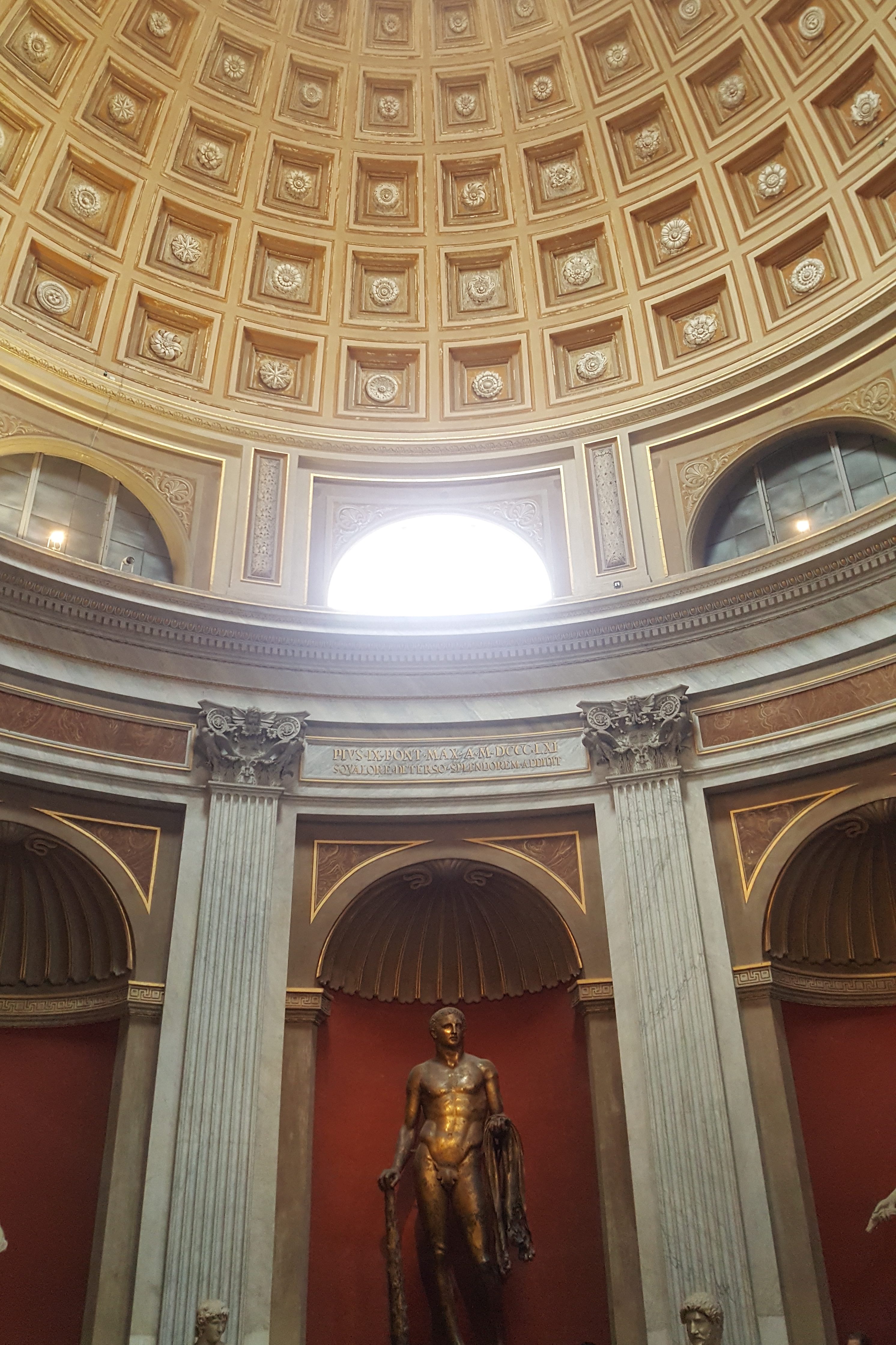
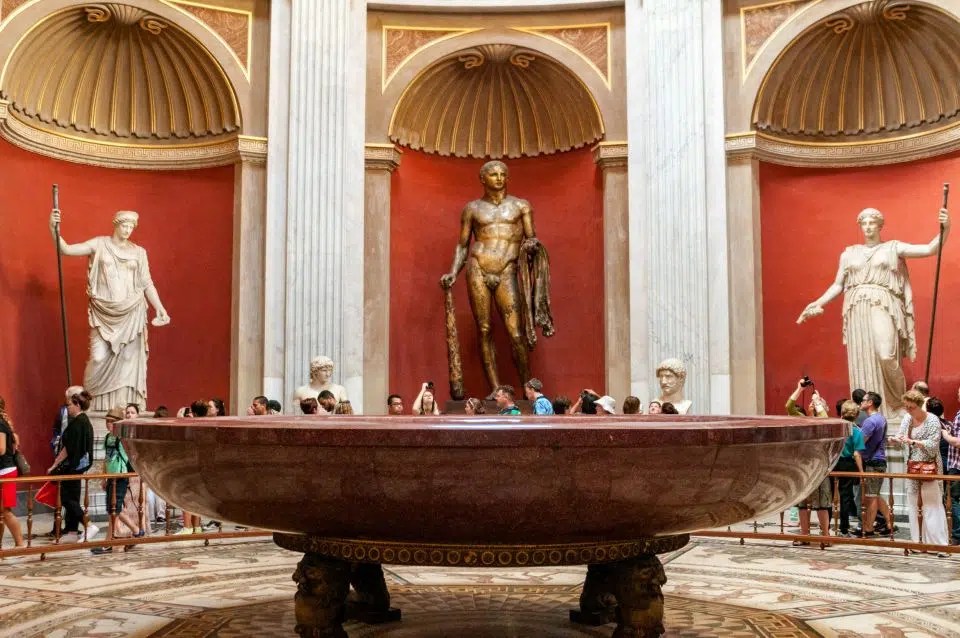
Sala Rotonda (Round Room) – It is the name given to round and domed structures. The room is in the form of a small copy of the Pantheon. It is on the way to the Sistine Chapel, next to the Chamber of the Muses. The most striking thing in the room is Nero’s bathtub. It is made of a precious red stone called porphyry.
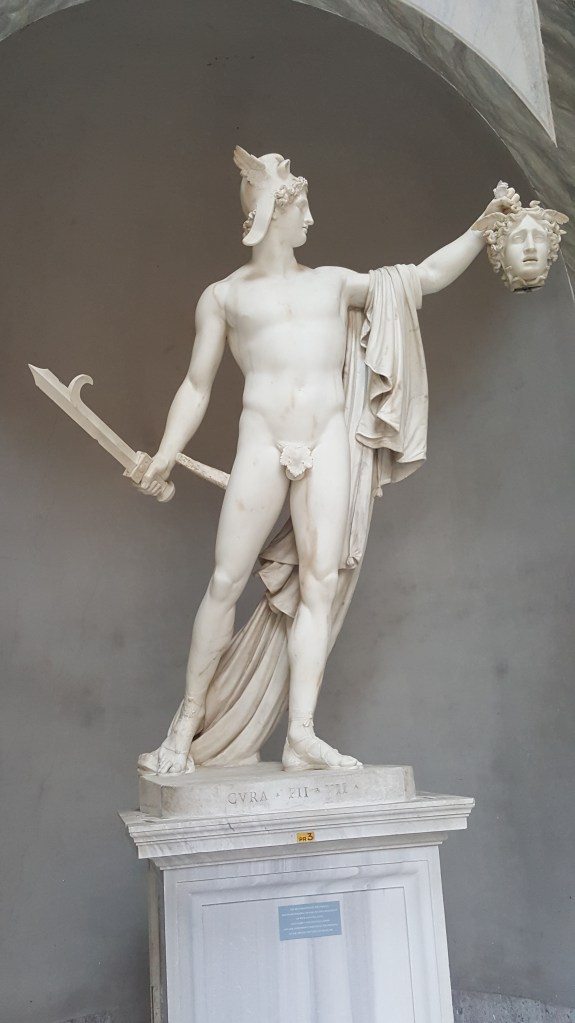
Octagonal Courtyard – Laocoon and Sons sculpture group – Apollo Belvedere and Perseus Triumph are also among the things to see.
Bramante Stairs: There are two spiral staircases that are among the things to see in the Vatican and are often seen in photos. They are located at the end of the museums. The first of the stairs was designed by the Renaissance artist and architect Donato Bramante, built in 1505, and thanks to its spiral design, it allows people to ascend and descend without crossing paths. The second Bramante Staircase was built by Giuseppe Momo in 1932.
Rooms with notable and important works in the Vatican museums:
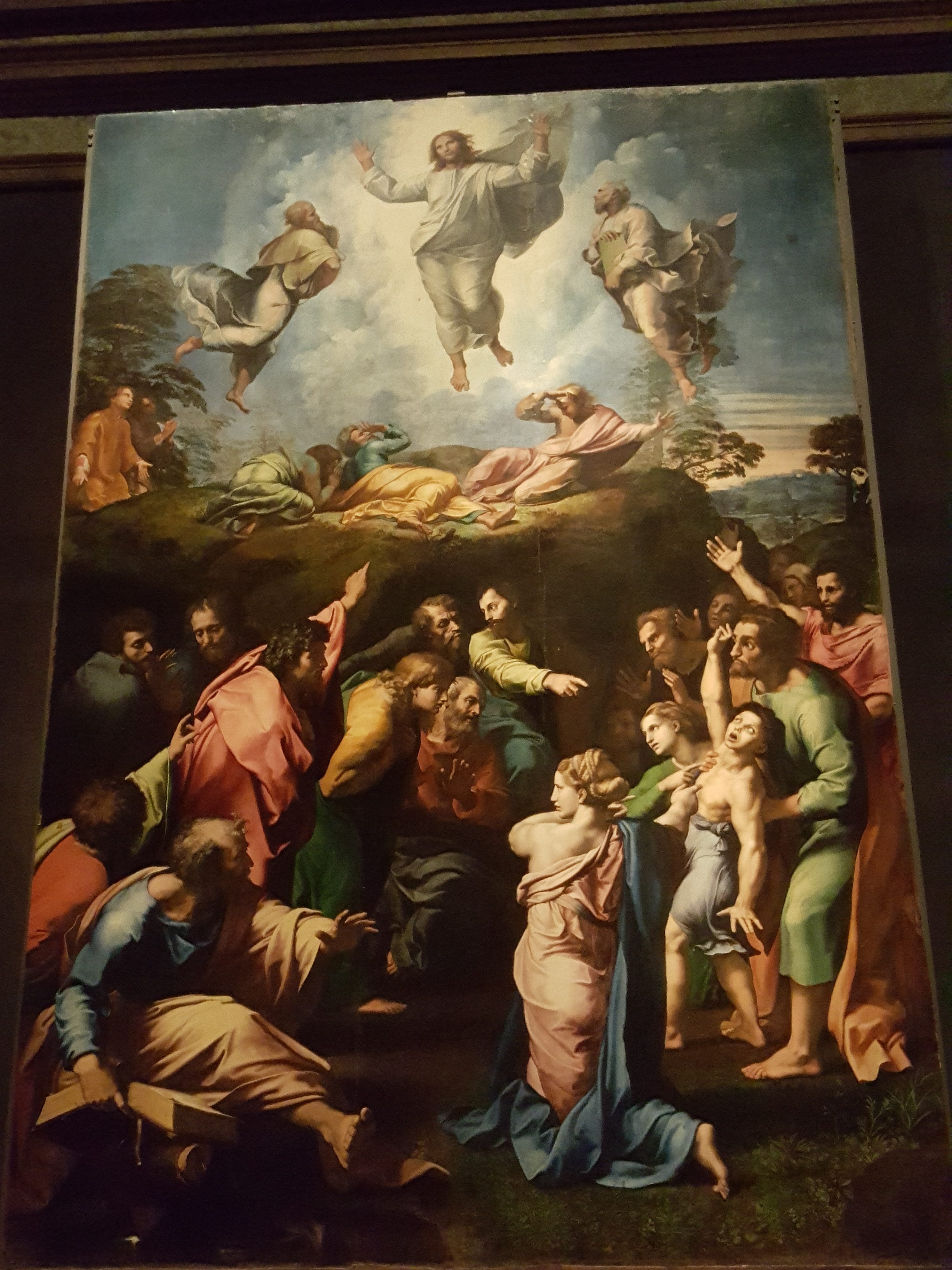
Raphael Rooms – Room 8: It is located after the Maps Gallery. In Raphael’s “Transfiguration” here, subjects from the Bible are depicted. It is the last painting of Raphael. The School of Athens fresco is also among the important works in the Raphael rooms.
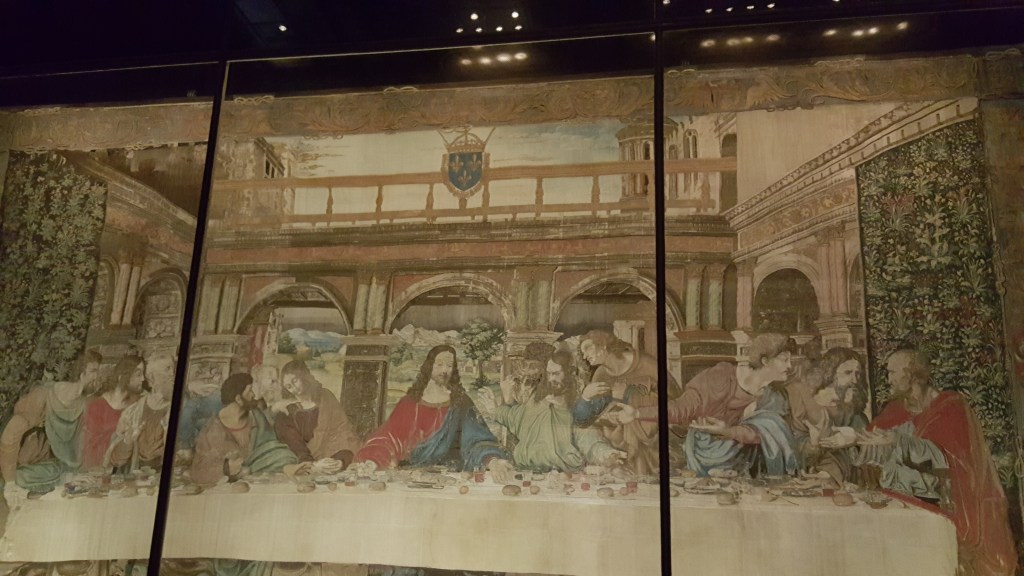
Da Vinci – Room 9. room: “The Last Supper of Jesus” painted on a carpet,
Caravaggio-12th room: Caravaggio’s “The Removal of Christ from the Cross”
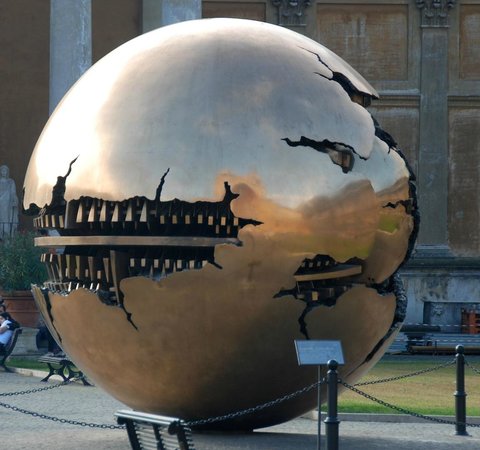
Cortile della Pigna-Fontana della Pigna (Cone Courtyard and Cone Fountain): The courtyard is very beautiful with a 4-meter-high bronze giant cone (pigna) from the ancient Roman period and a fountain that was later moved here. Also among the things to see here is the statue of Sphere with Sphere made by Italian sculptor Arnoldo Pomodoro in 1966.


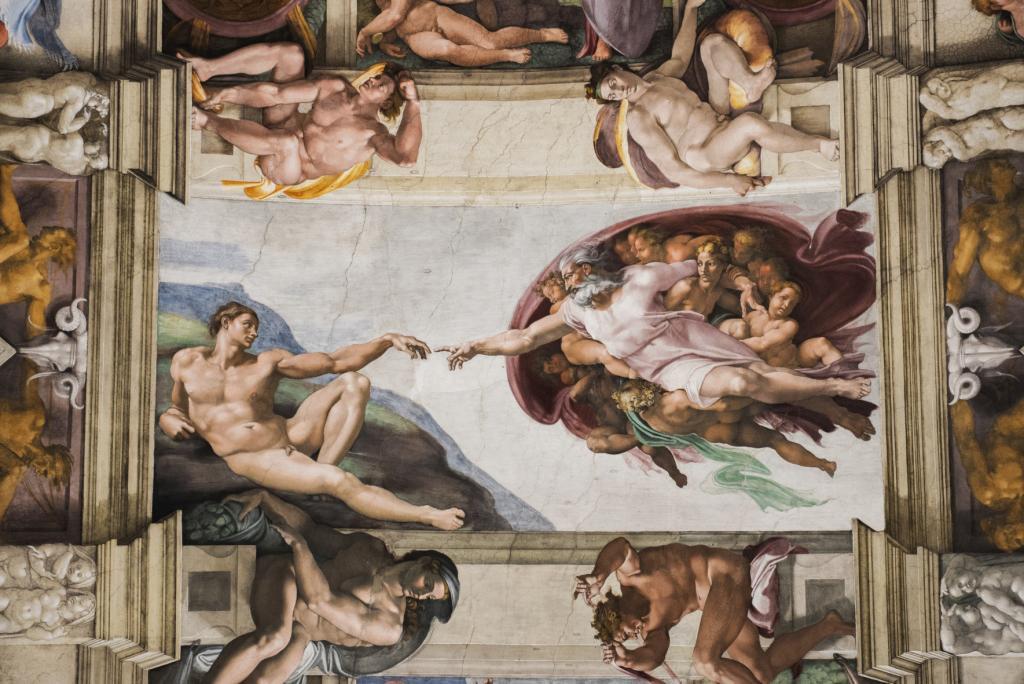
Vatican Sistina Chapel -The Sistina Chapel, which has a very important place in terms of art history, was started to be built in 1473 for the convocation of the college of cardinals and the election of the pope. Although it is best known for the ceiling decorations made by Michelangelo, there are works by many artists. It is decorated with scenes from the lives of Jesus and Moses. Apart from Michelangelo, artists such as Renaissance masters Botticelli, Raphael and Ghirlandaio also worked. Pope Julius II wanted Michelangelo to decorate the ceiling of the chapel. Although Michelangelo, who was originally a sculptor, did not want to do the job at first, he accepted the offer under pressure from the Pope and completed it between 1508-1512. The ceiling made by the master and containing approximately 300 figures and the wall fresco called The Last Judgment are the most important works here. Michelangelo completed the ceiling on a sloping scaffolding he designed himself, under very difficult conditions. One of the most famous frescoes on the ceiling is the section called The Creation of Adam. The wall fresco The Last Judgment depicts the return of Jesus and God’s final judgment on humanity. Important figures in the chapel include scenes such as the Separation of Light and Darkness, the Garden of Eden, the Great Flood, Adam and Eve, the Expulsion from Paradise and the Day of Judgment. The chapel’s tapestries were designed by Raphael. Taking photos inside is prohibited.

Vatican Gardens: It covers more than half of the Vatican country. There are many exotic plants and flowers. It is decorated with Renaissance and Baroque style statues, fountains and fountains.
 Gezmek Lazım
“Vatican City Tour” için bir cevap
[…] Bruschetta–Restorante Osteria Barberini Truffle lasagna Restorante Osteria Barberini Ristorante Osteria Barberini Restaurant Alfredo Pastificio Guerra Rome Antico Caffe Greco Rome Babingston’s Tea Rooms Rome Antica Rome Travel Blogs Trip to Rome Vatican City Tour […]
BeğenBeğen