Rome is a magnificent city founded by Remus and Romulos brothers in 753 BC. It is so beautiful that a book can be written about it instead of a blog. We will just try to summarize it here. It is one of the most visited cities in the world. It was built on 7 hills between the Tiber and Aniane rivers. According to legend, Remus and Romulus, were half god and half man. They couldn’t decide where to build the city or who would rule it. As a result Romulus killed Remus and founded the city where it was located and named it after himself. It was a small settlement at the beginning then it became a trade center and a kingdom due to its location. Rome saw 7 kings including Romulus. Due to the interaction of with the Greek colonies, Greek brought their culture to Rome and created their own culture. When Lucius Junius Brutus from the Brutus family overthrew the last king, Tarquin, in 509 BC, the Roman Kingdom collapsed and the Roman Republic was established.
Transportation from Fiumicino Leonardo da Vinci Airport to city center : The distance between Rome Fiumicina Leonardo da Vinci airport and the city center is approximately 40 km. The city can be easily reached by bus, taxi or Leonardo Express train. Rome city transportation : The metro transportation called Metropolitana is the most preferred form of transportation in Rome. It has three different lines. The most frequently used lines are A and B and intersect at Termini station. You can easily reach places by bus where there is no metro transportation. The best way to visit this city is to walk since it is like an open-air museum. Every street we walked on during our trip brought us together with its own beauties and masterpieces.
Where to stay in Rome : The Termini area is very practical due to its ease of transportation and proximity to many places. It is very central. Almost everywhere is within walking distance, but if you stay around Colesseum, Spanish Steps and Vatican, you can easily reach many places too.
How many days do you need in Rome : Ideally, a 5 or 6 days visit will be enough to visit most of the places in Rome.
List of Places to see in Rome : Most of historical places are in Centro Storico.
Santa Maria Maggiore Basilica
Colosseum
Arch of Constantine
Palatine Hill
Roman Forum
Trajan Forum
Piazza Venezia and II. Vittorio Emanuele Monument
Fontana di Trevi
Piazza Navona
Santa Maria in Aracoeli basilica
Largo di Torre Argentina
Campo de Fiore
Spanish Steps
Piazza Spagna
Pantheon
Castel Saint’Angelo
Piazza Popolo
Quattro Fontana
Fontana dell Acqua Fellice
Vatican City- Vatican Museums – Sistine Chapel – St. Peters Basilica
Trastevere
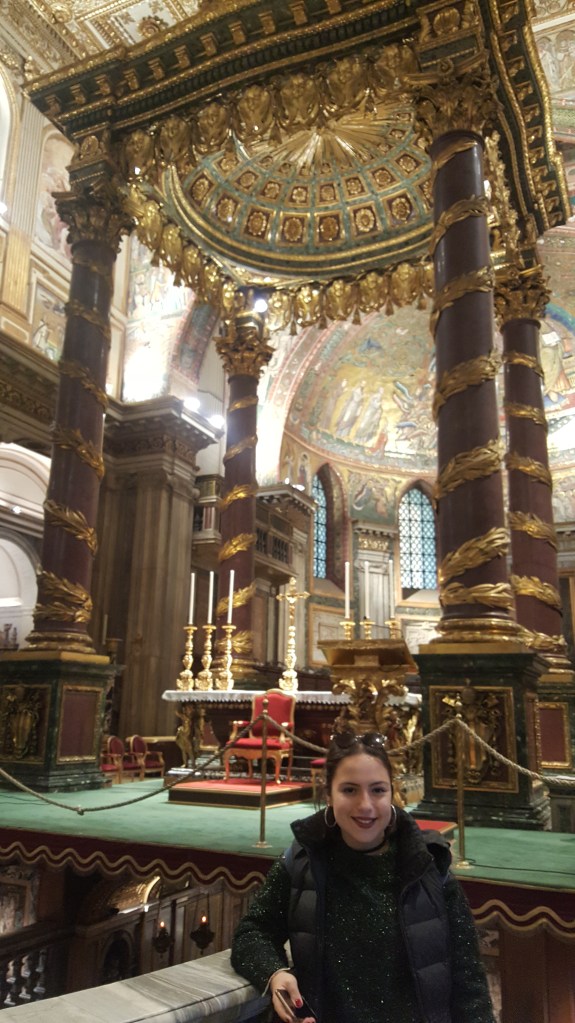
Santa Maria Maggiore: One of the Seven Pilgrim Churches of Rome and the largest Catholic Marian church in Italy. The pope saw Mary in his dream. Mary told him to build a church and she would mark the place with snow the following day. Although it was summer, snow felt the next day and located the place where the church would be located. If your visit Rome on August 5th, be sure to visit this place. People gather for celebrations of the foundation of the church on this date. They trow white flower petals from the roof of the Pope Paul V chapel. The interior decorations of the church are magnificent and the ceiling decorations are decorated with gold sent by the Queen of Spain.

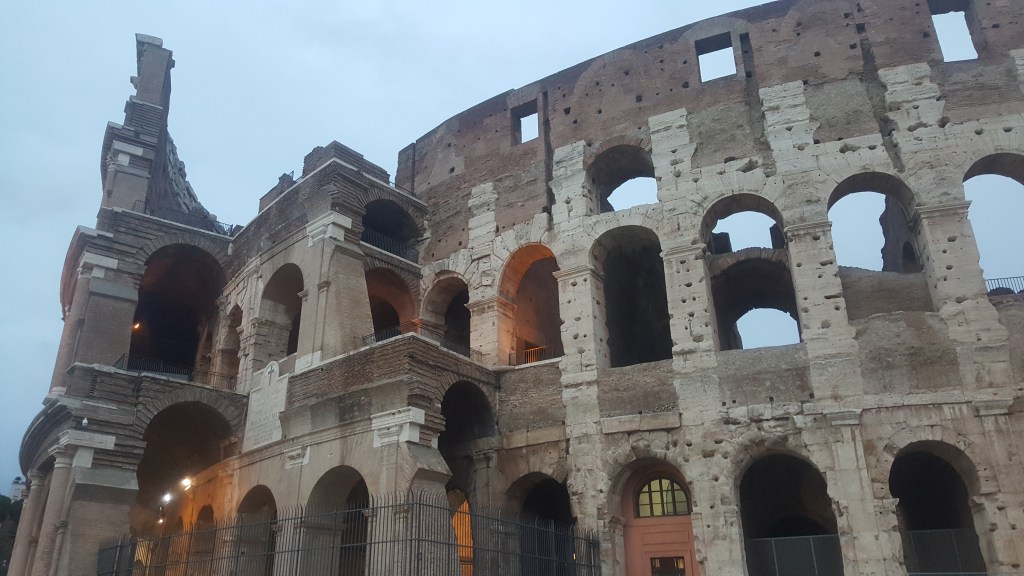
Rome Colosseum (Flavianus Amphitheatre): Completed by Titus in 80 AD. It is an oval-planned structure built using stone and marble, where gladiator games and various public events were held. It was large enough to accommodate more than 60 thousand spectators. At that time, many animals were brought from Africa for gladiator games and made to fight with gladiators. Gladiators could be both free Romans, slaves or war criminals and if the winner of the fight was among them, he could be freed. The exterior of the structure is surrounded by arches and there are tunnels at the bottom. The last gladiator game took place in 435. Despite the damage of 4 earthquakes and 3 fires, the structure is still standing and is the most visited place in Rome.
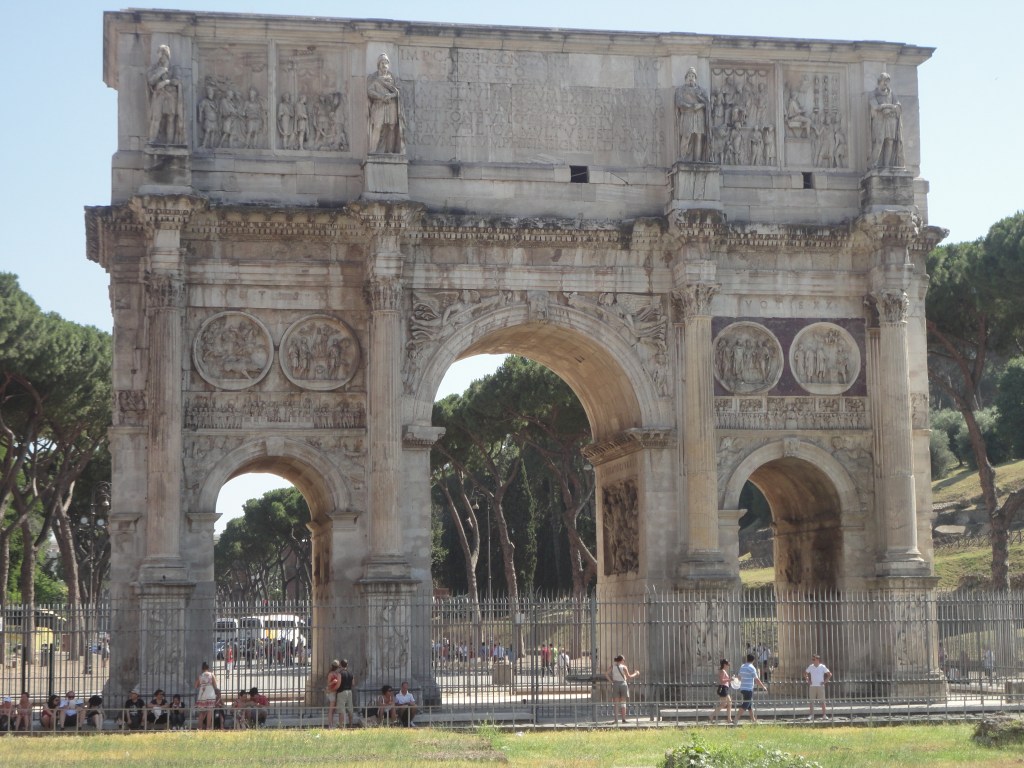
Arch of Constantine: The Arch of Constantine, near the Colosseum, was built in the 4th century to celebrate the victory of Constantine. There are Latin inscriptions and reliefs on the arch of the 21-meter-high structure. It symbolizes the victory of Constantine I over the Milvian Bridge against the Roman Tyrant Maxentius.
Rome Palatine Hill : It is the most central of the 7 hills of Rome. It is very close to the Roman Forum. According to Roman mythology, it is the hill where Remus and Romulus were found by the wolf that saved their lifes. It is quite rich in terms of historical remains.
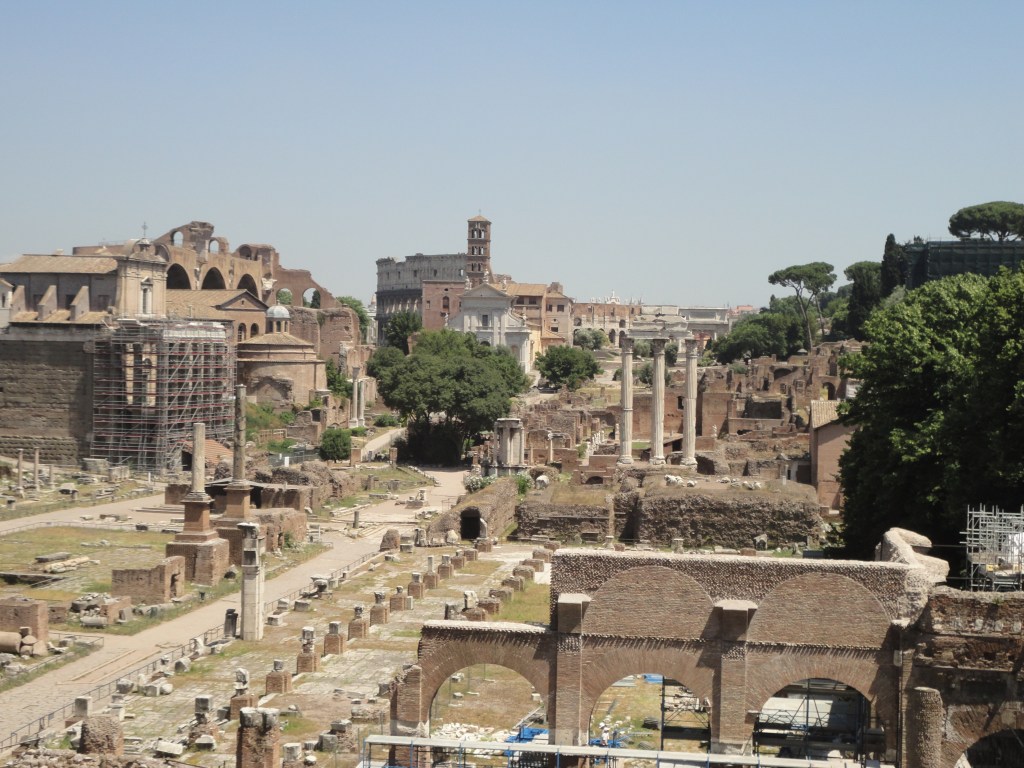
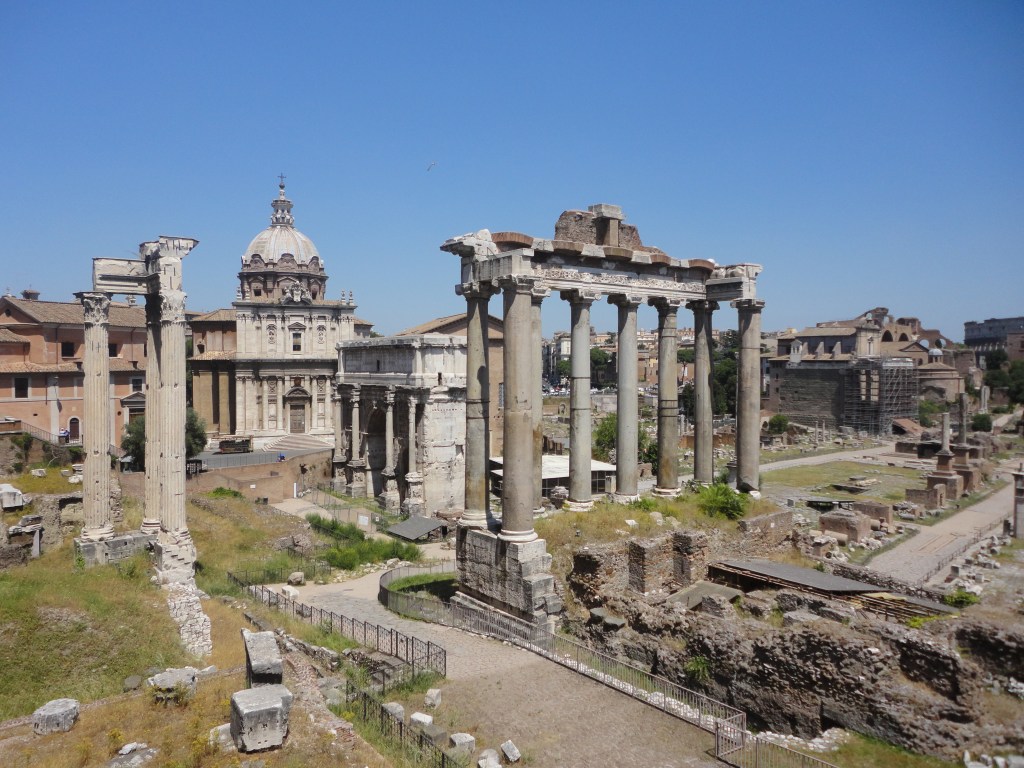
Roman Forum : It is next to the Colosseum and in the center of ancient Rome. The word forum can be defined as an open-air public square. Forums are both a commercial place where people meet, spend time and hold political meetings. Rome is the center of the empire. The structures in the forum include the Septimus Severus Arch, Titus Arch, Romulus Temple, Castor and Pollux Temple, and Saturn Temple.
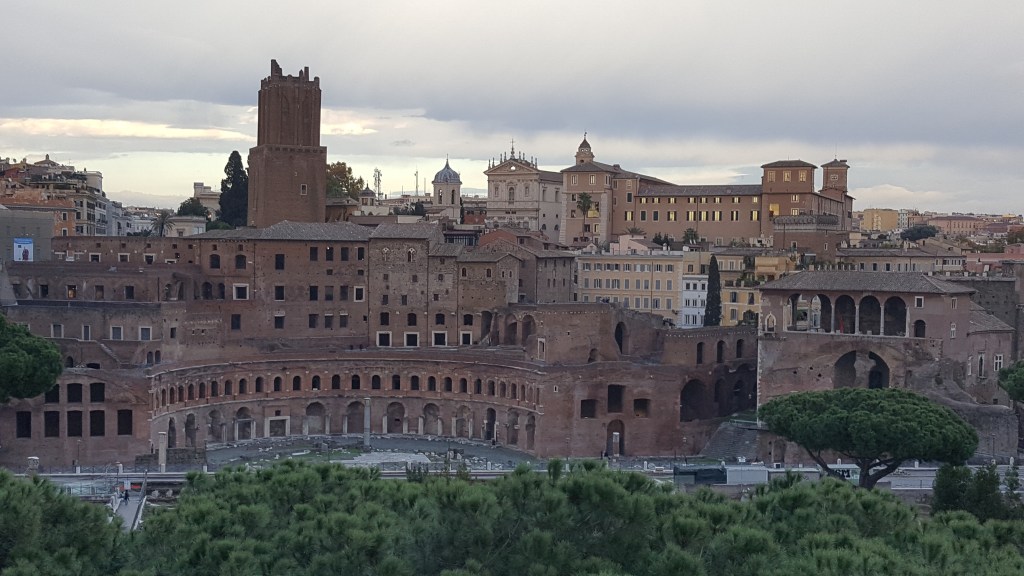
Trajan Forum and Trajan Market: It was built by Emperor Trajan in 106 and went down in history as the last forum of the Roman Empire. It is a complex with a covered market area, shops and a square in front.

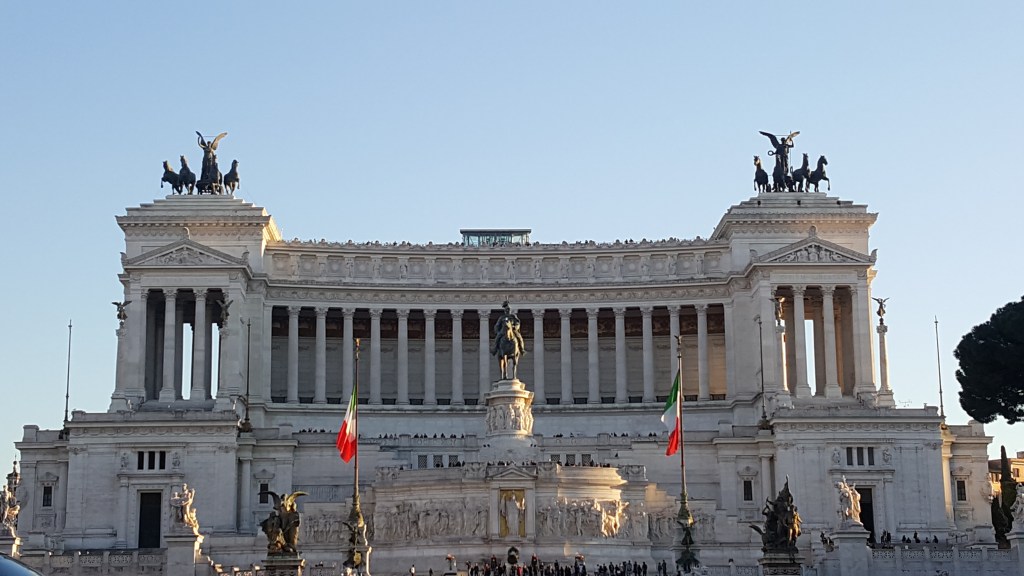
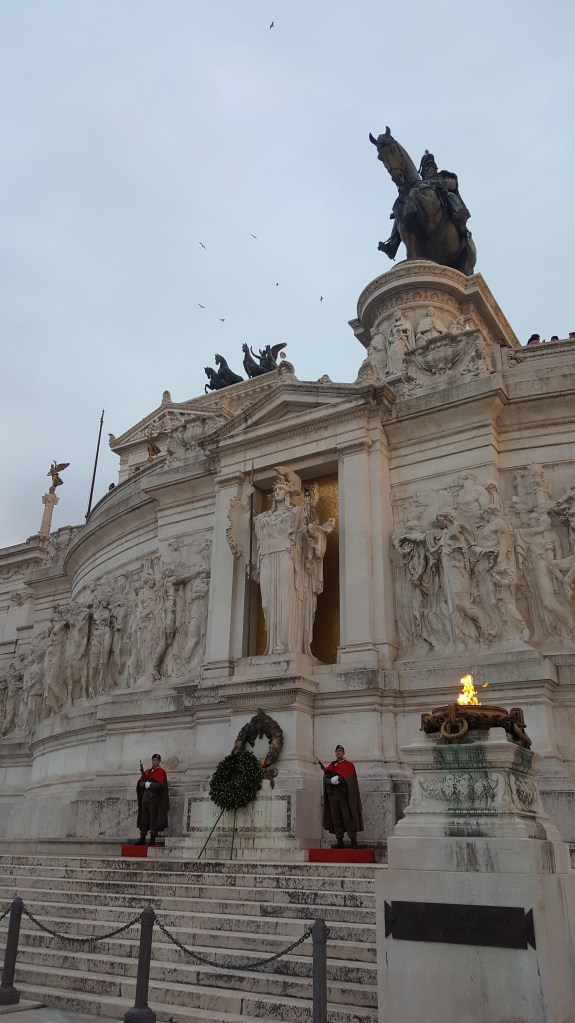
Piazza Venezia and Vittorio Emanuele II Monument: It is one of the most visited squares in the historical city center of Rome. It is surrounded by restaurants and cafes. There is Vittorio Emanuele II Monument on one side of the square (Altare della Patria). It was built between 1885-1911 to honor the first king of Italy, Vittorio Emanuele II. It is made of white marble. It is decorated with the equestrian statue of Vittorio Emanuele and four horse statues on the right and left at the top. The monument also contains the Unknown Soldier Monument.
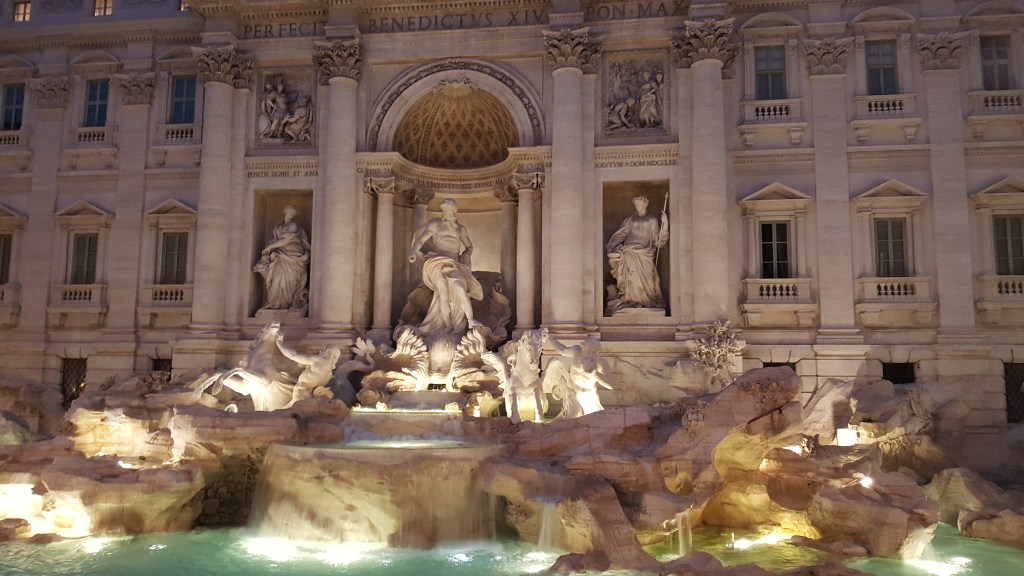
Trevi Fountain : It was designed by architect Nicola Salvi. It the is the largest baroque fountain in Rome. It was completed in 30 years and opened in 1762. Its name means 3 way fountain assuming that 3 natural water sources underneath it merged. It is one of the most photographed places in Europe. The sea god Neptune is portrayed in the truly beautiful fountain. People make wishes by throwing coins into the pool here.
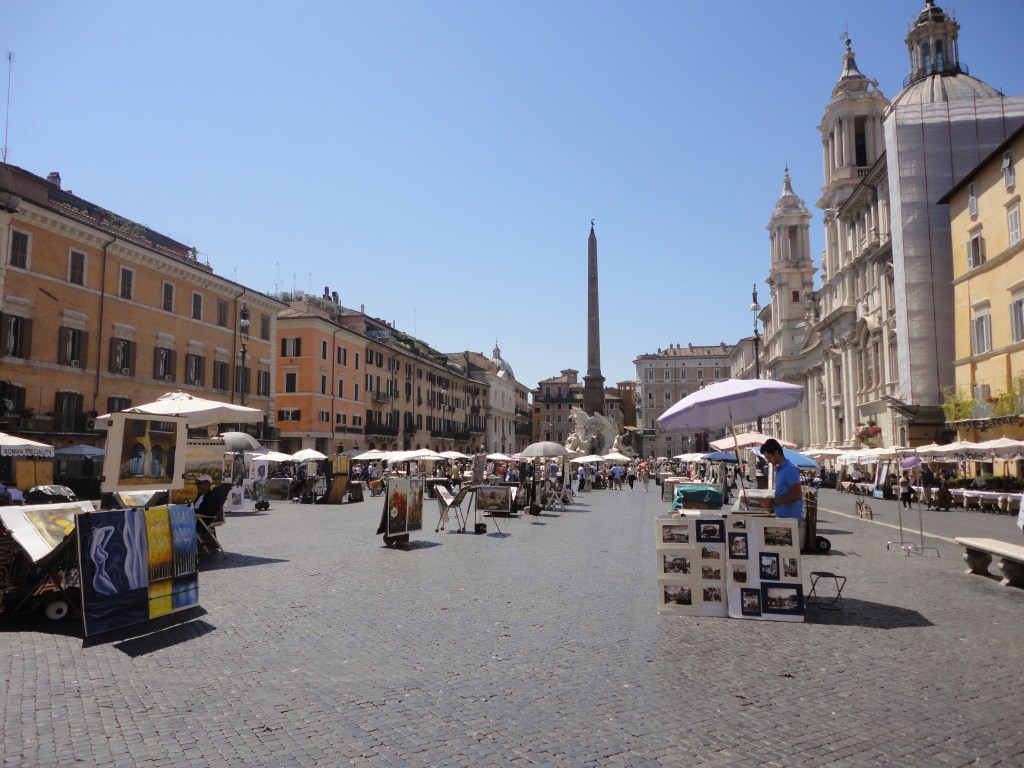
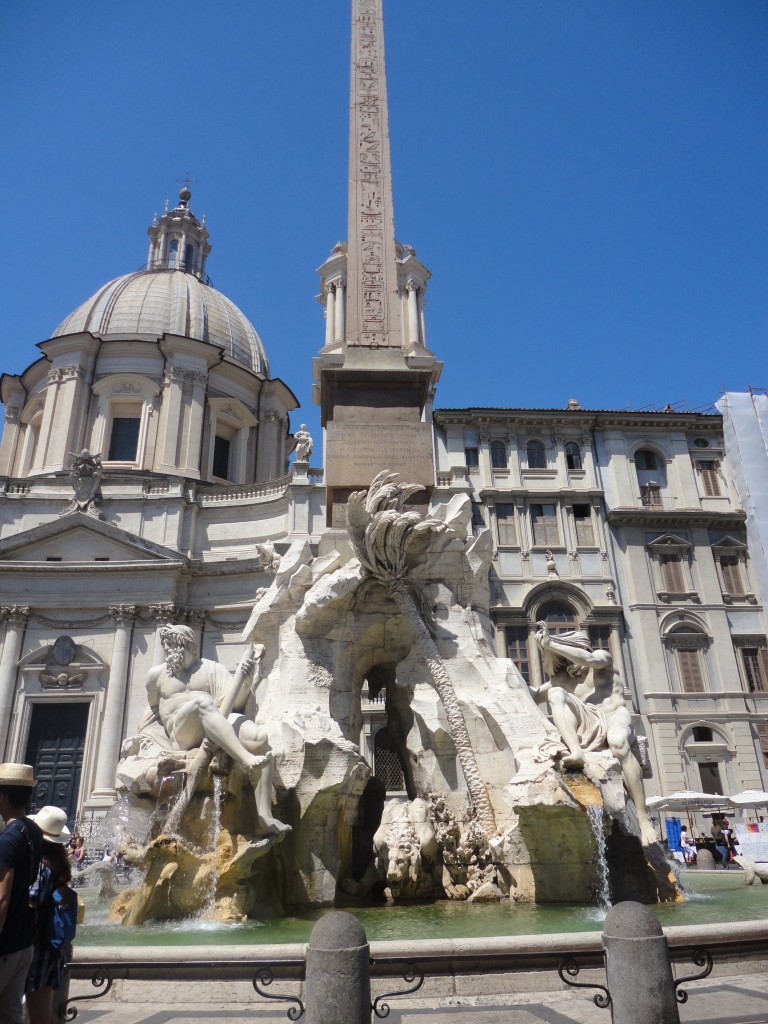
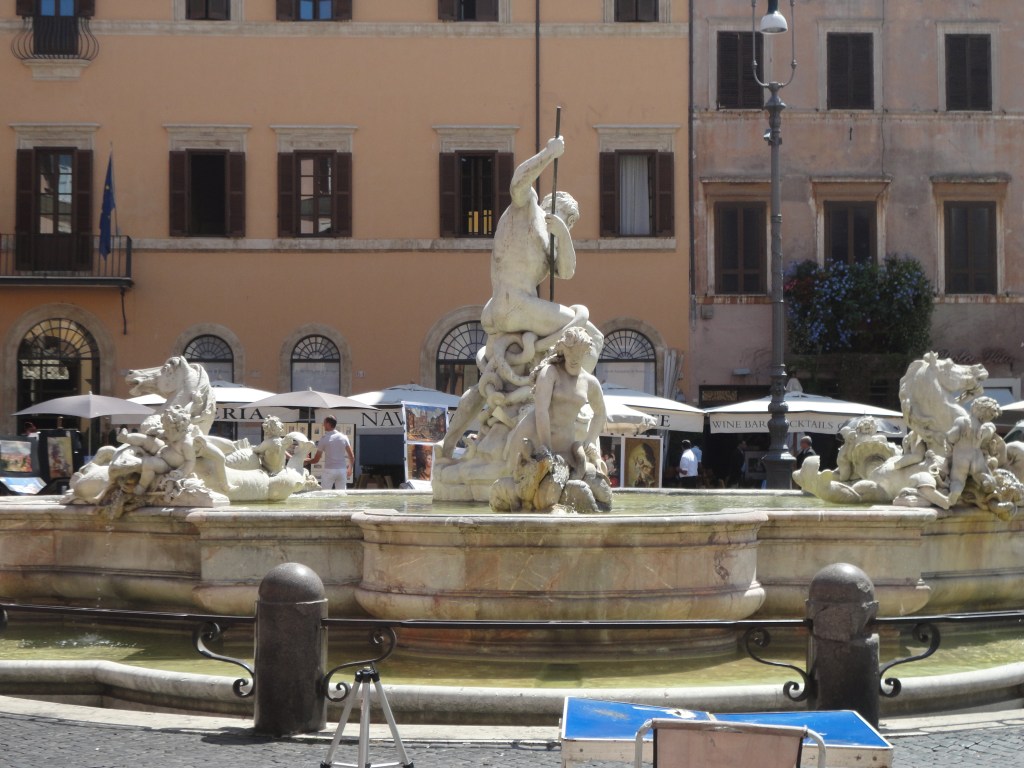
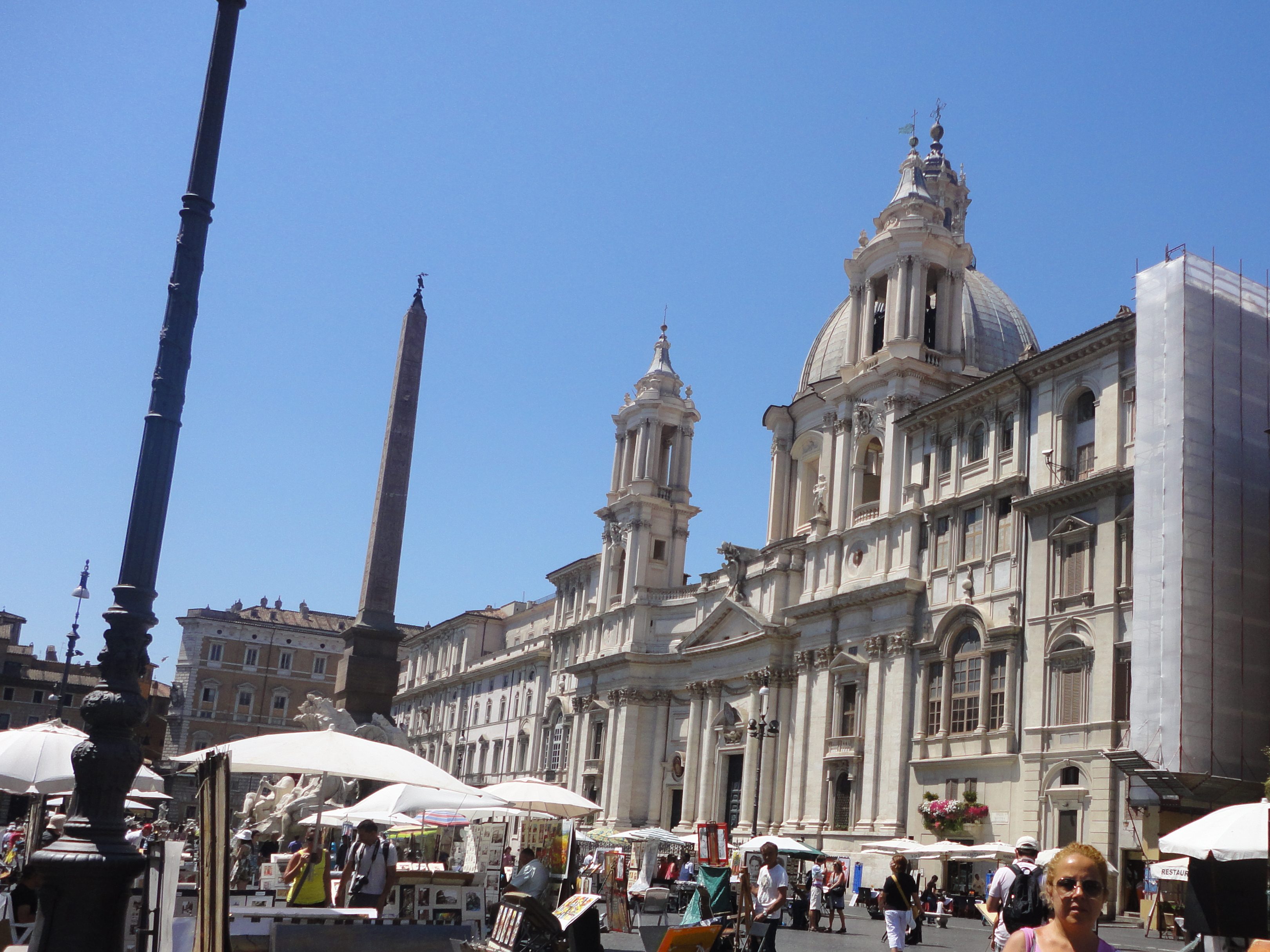
Piazza Navona : The history of the square dates back to the 1st century. It used to be a stadium with a capacity of 30 thousand people where sports games were held. It was removed in 1655 and converted into a square. It is a beautiful square and always crowded. Three fountains decorate the square. Bernini’s famous work is the Baroque style Four Rivers Fountain (Fontana del Quattro Fiumi) . The fountain represents the four important rivers Danube, Ganges, Nile and Rio dela Plata and the continents they are located in. The other fountain in the square is Fontana del Moro, also made by Bernini. It depicts a giant or Moor fighting a dolphin. The giant has the dolphin squeezed between its legs. The first fountain built in the square. A very beautiful work that shows Bernini’s imagination and technique. The third fountain is Fontana del Nettuno (Neptune Fountain) made by Antorio Bella. In the fountain, the sea god Neptune is fighting an octopus and surrounded by water nymphs. The baroque style Sant Agnese Church in the square also has an impressive architecture. There is also an obelisk in the square. It is a lively square with street artists, street vendors, cafes and restaurants.
It is a lively square with street artists, street vendors, cafes and restaurants.
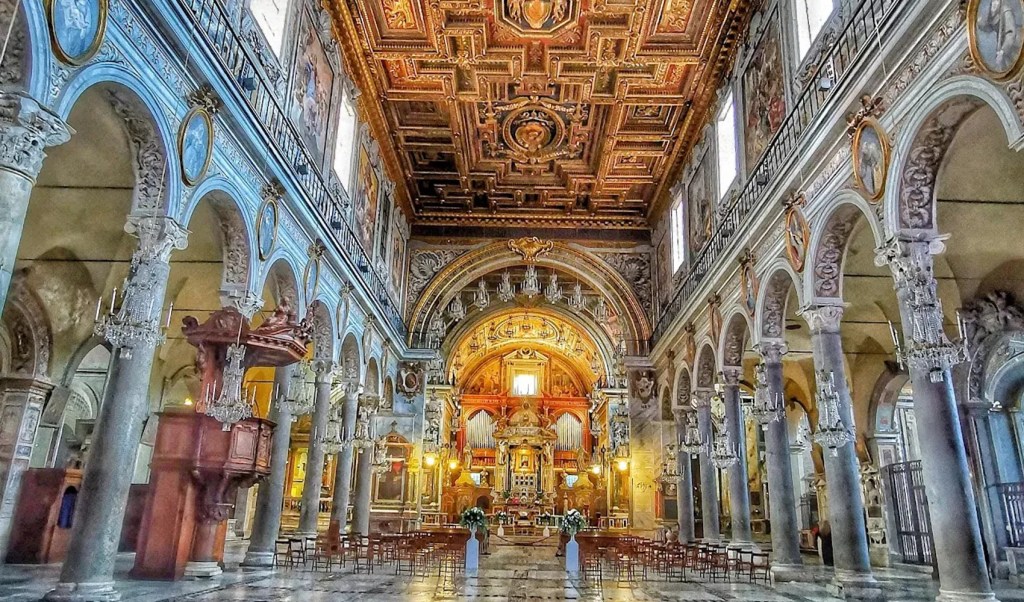
Basilica of Santa Maria in Aracoeli : A masterpiece that must be seen. The bones of Saint Helena, mother of Emperor Constantine, are kept in this basilica. The exterior is made of brick and the interior is impressive and very beautiful. It is located on the Capitoline Hill, behind the Vittorio Emanuele monument. It is one of the most beautiful buildings in Rome with its frescoes and ceiling decorations.
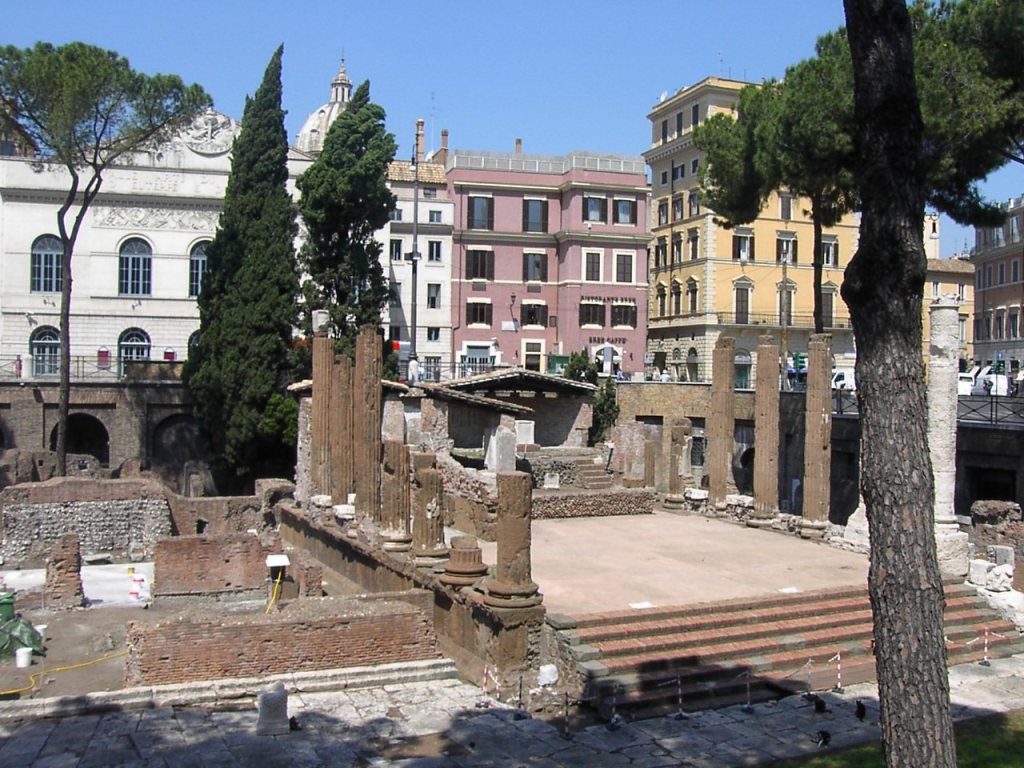
Largo di Torre Argentina : It is the area where the ruins of 4 Roman temples and the theater of Pompey are located.
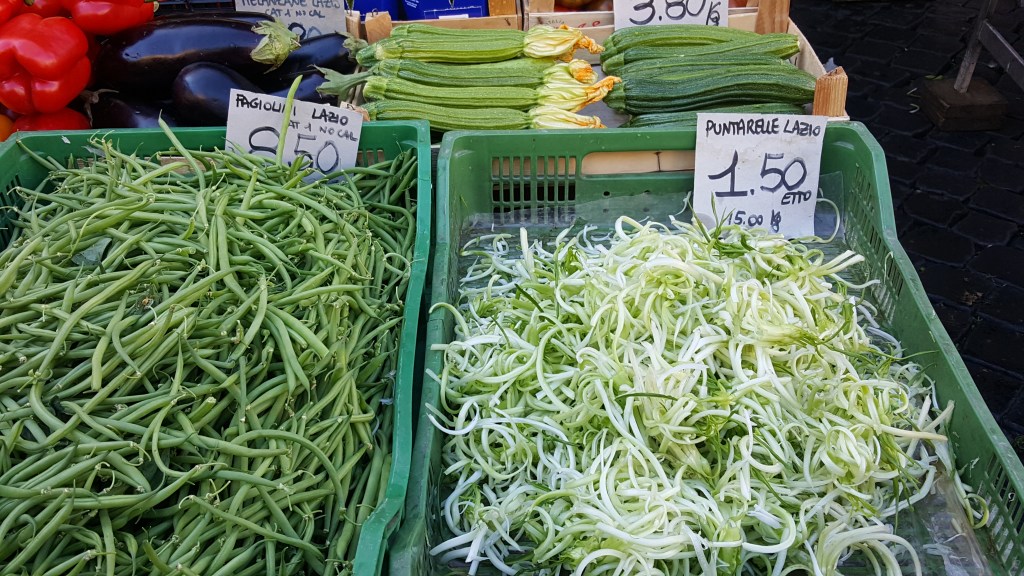
Campo di Fiori : This is a square close to Piazza Navona. Its name means field of flowers because there was a meadow here in the Middle Ages. There is a statue of Giorgani Bruno in the middle of the square who was burned to death for saying that the world revolves around the sun. There is a local market open during the day. The square is very lively both during the day and at night.
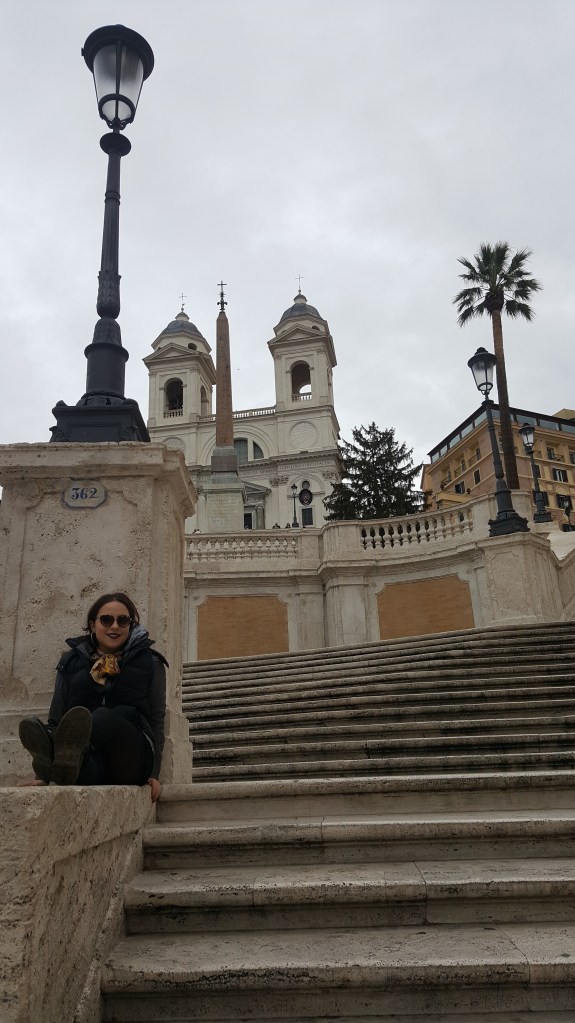
Rome Spanish Steps : These are the steep stairs between Piazza di Spagna and Piazza Trinita dei Monti. They provide access to the Trinita dei Monti Church. There are 135 steps. Their architects are Francesco de Sanctis and Alessandro Specchi. They are very wide stairs built in 1725 in baroque style.

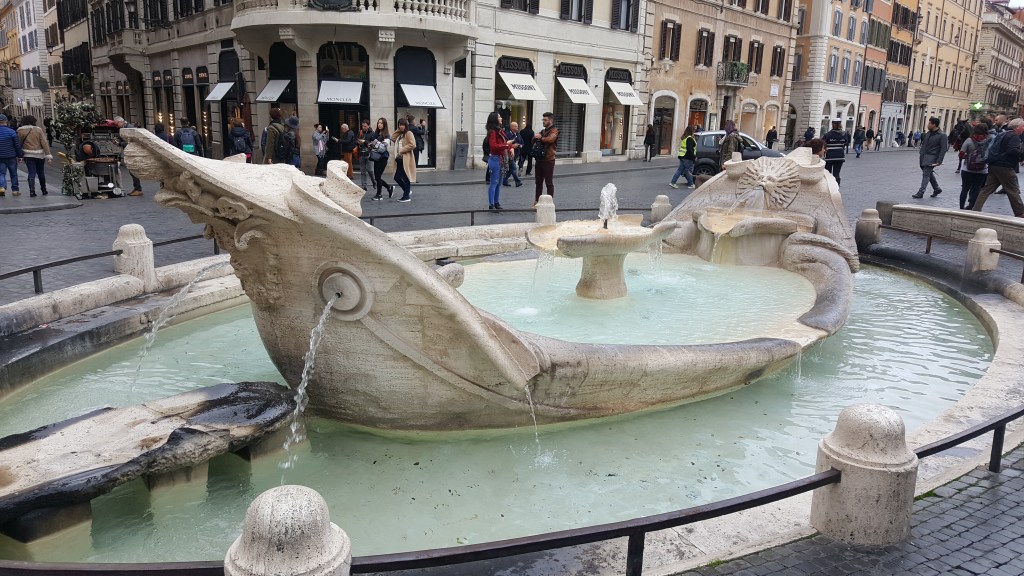
Piazza Spagna : It is a very popular square. It is at the bottom of Spanish Steps. It is called Spain Square because the Spanish embassy is here. The Fontana della Barcaccia (Old Ship Fountain) built in the baroque style by architect Bernini and his son. It is in the middle of the square and it is a beautiful fountain. It is said that the reason why the fountain is shaped like an overflowing ship is because the Tiber River overflowed in 1598, flooding the square and when the waters receded, the remains of a ship were seen in the square.
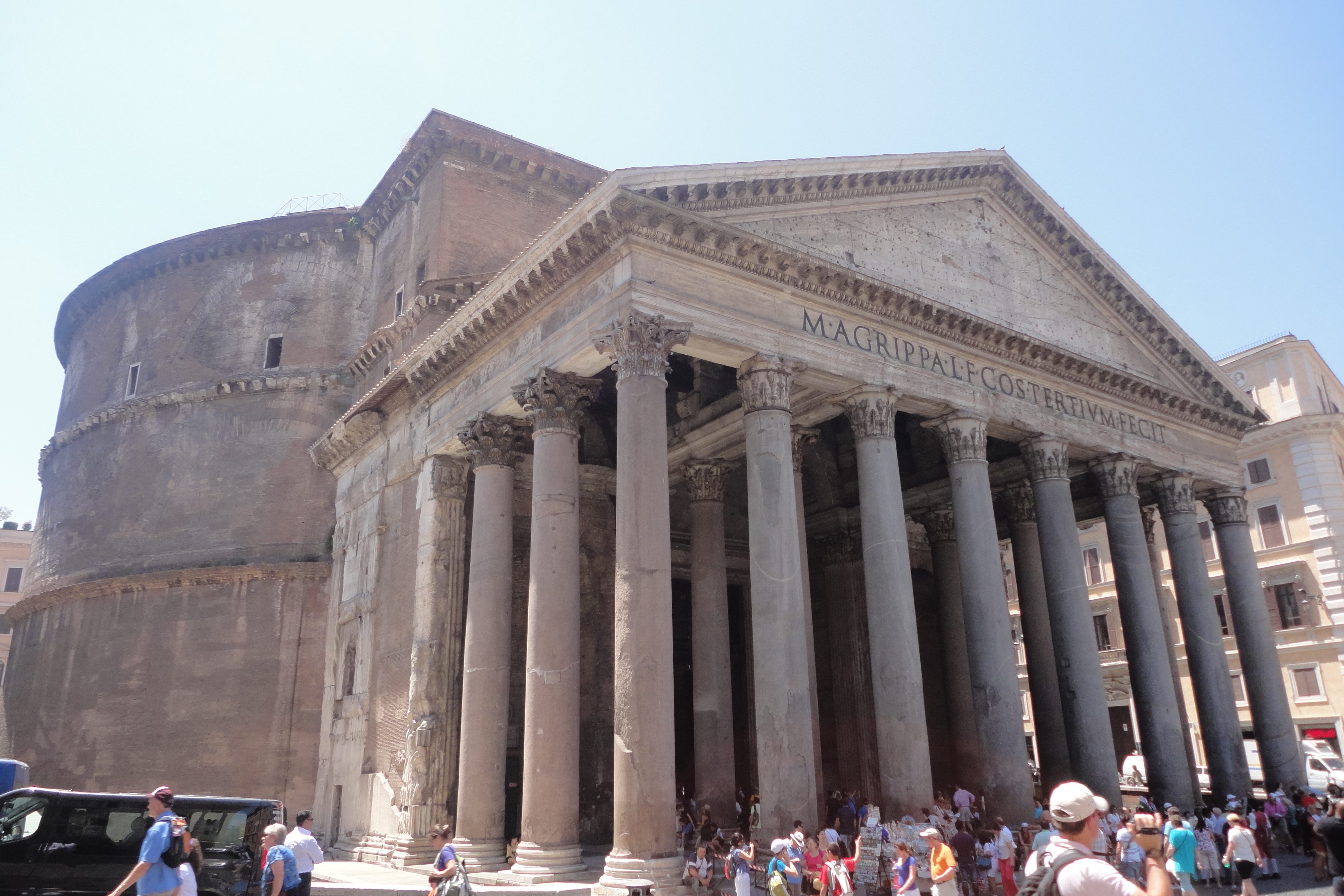
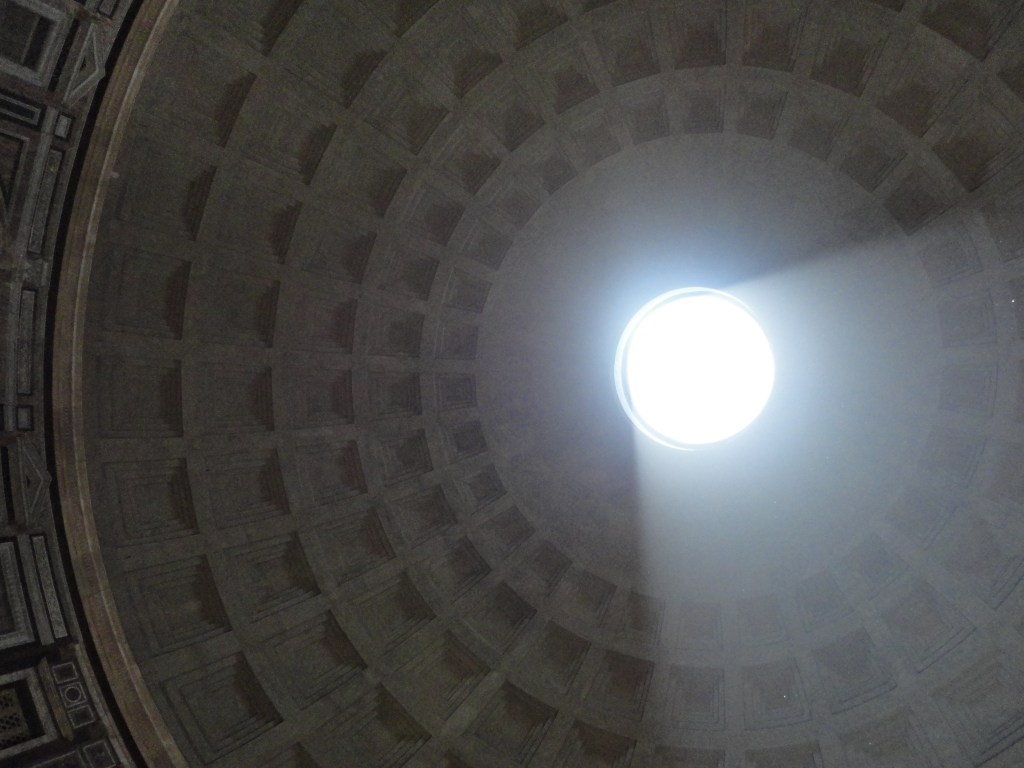
Rome Pantheon : Located in Piazza della Rotondo, it is a building dedicated to all the gods, past, present and future. It consists of a portico carried by Corinthian columns and a circular structure attached to it behind. The dome is one of the largest domes in the world and has an opening on top for light to enter.
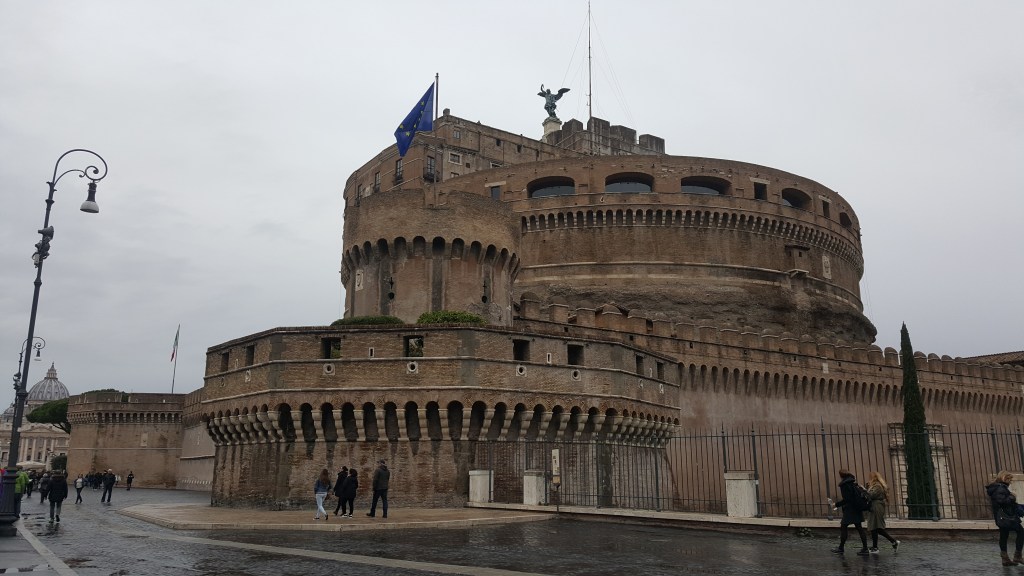
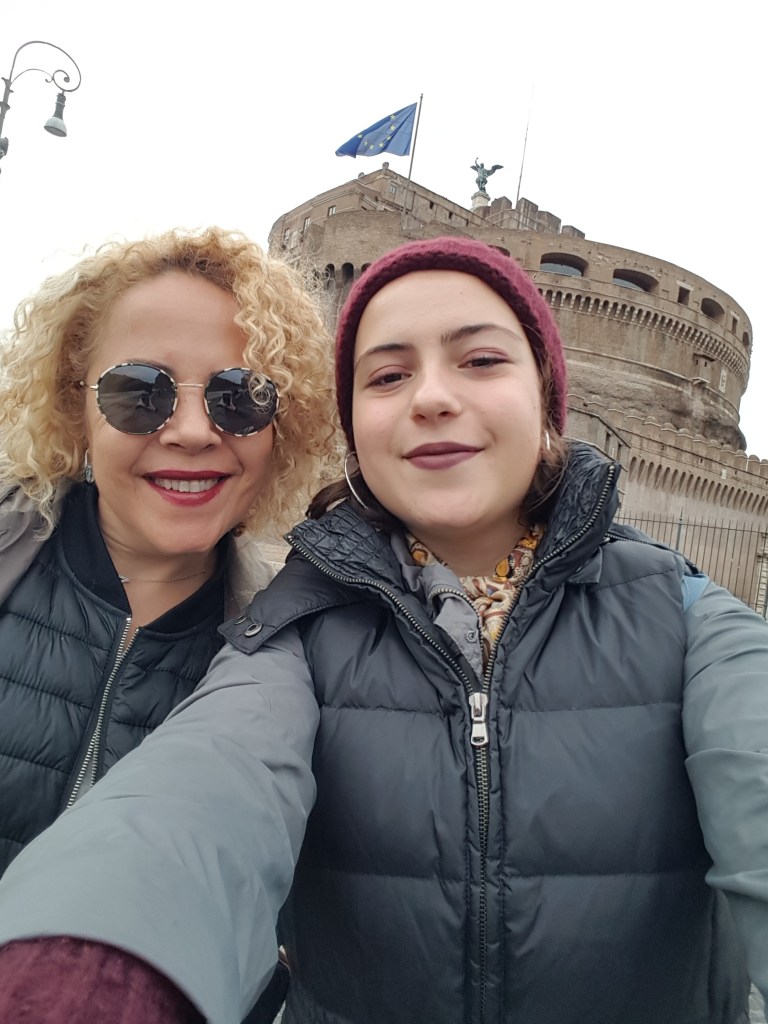
Castel Sant’Angelo (Castle of the Holy Angel): Located on the banks of the Tiber River. It used to be the tallest building in Rome. It is a museum today. Roman Emperor Hadrian had it built as a mausoleum for himself and his family and it was used as a papal castle in the Middle Ages. Fatih Sultan Mehmet’s son Cem Sultan spent some of his exile years here. It takes its name from the religious ceremony where Pope Gregory the Great saw the angel Michael here.

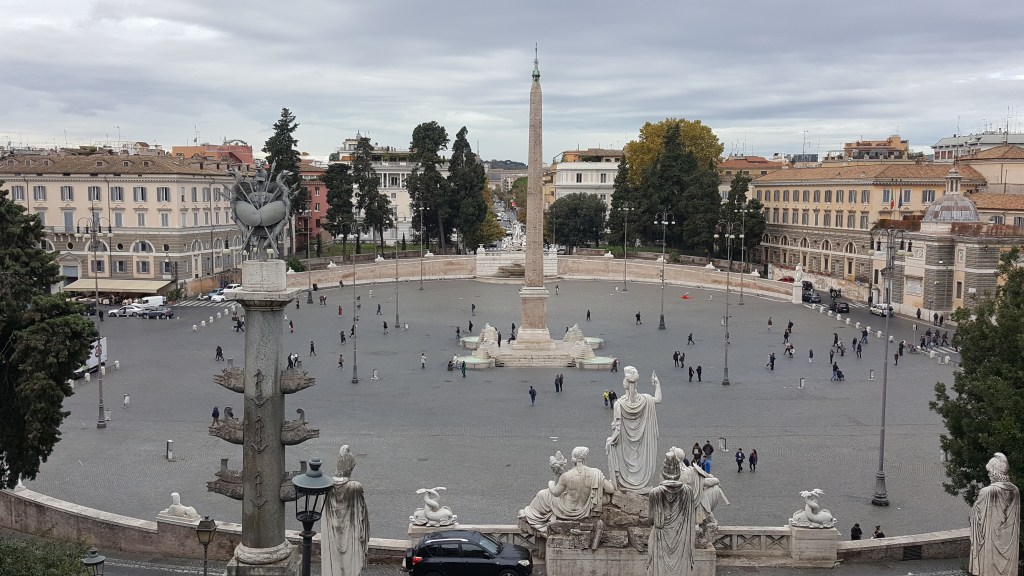
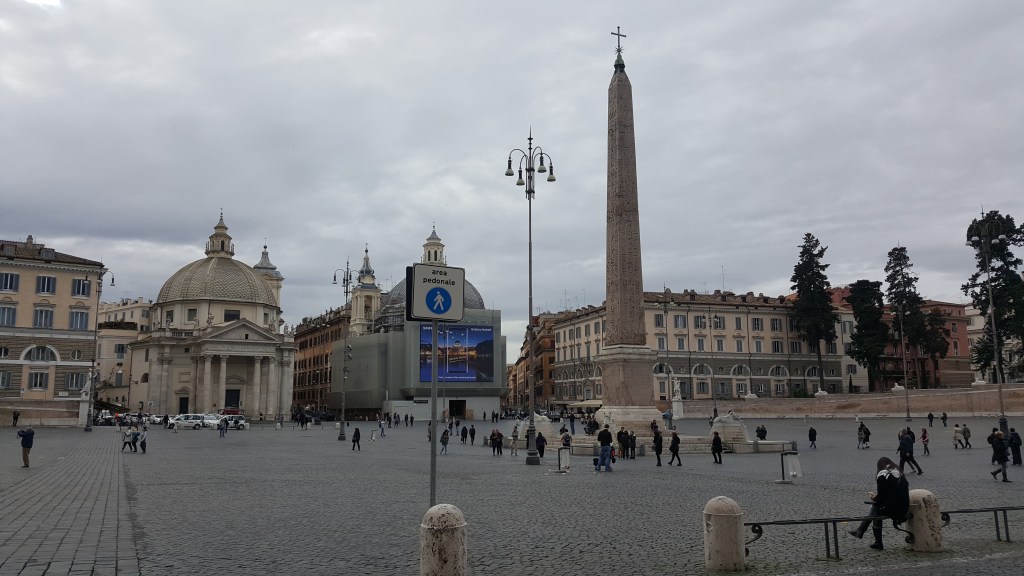
Piazza del Popolo : This is the largest square in Rome and many events are held. At the entrance of the square, there are twin churches called Santa Maria Miracoli and Santa Maria in Montesanto. Via del Corso, one of the busiest streets in Rome, starts from Popolo Square between these twin churches. The churches are worth seeing. The obelisk in the middle of the square was brought from Egypt. The gate on the north side of Popolo Square connects the square to Piazza del Filaminio. This gate is called Porta del Popolo or Porta Flaminia. It was built in the 3rd century and was restored by Michelangelo and later by Bernini. The square is right next to Villa Borghese Park.
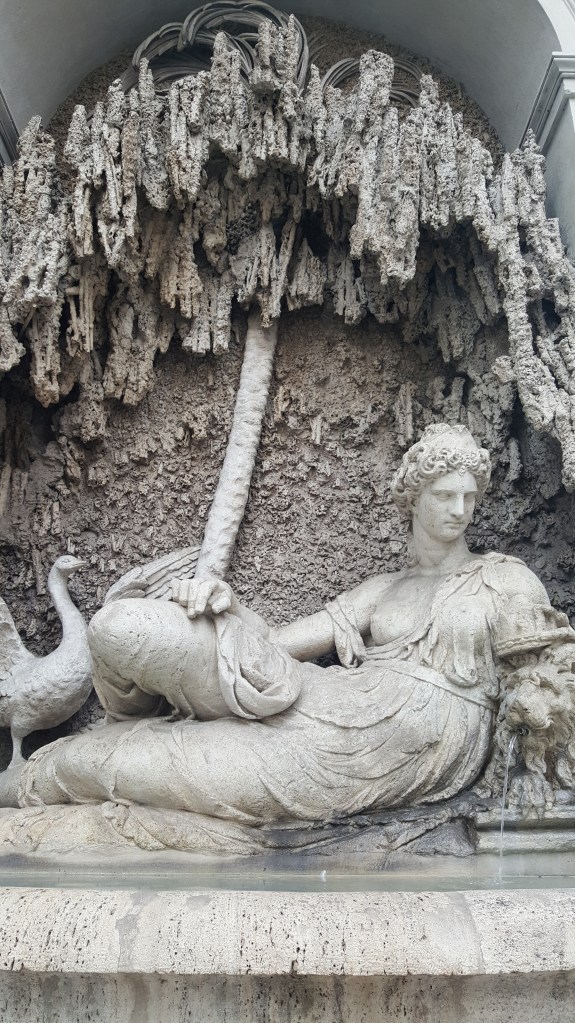
Quattro Fontane: There are 4 separate fountains located at the intersection of Via delle Qurattro Fontane and Via del Qirinale. They are very beautiful fountains built in the late Renaissance period, between 1588-1590. The male figures in two of the fountains represent the Tiber and Arno rivers, thus the cities of Rome and Florence. The other two fountains with women represent the goddesses Diana and Juno. They are really beautiful and must be seen.

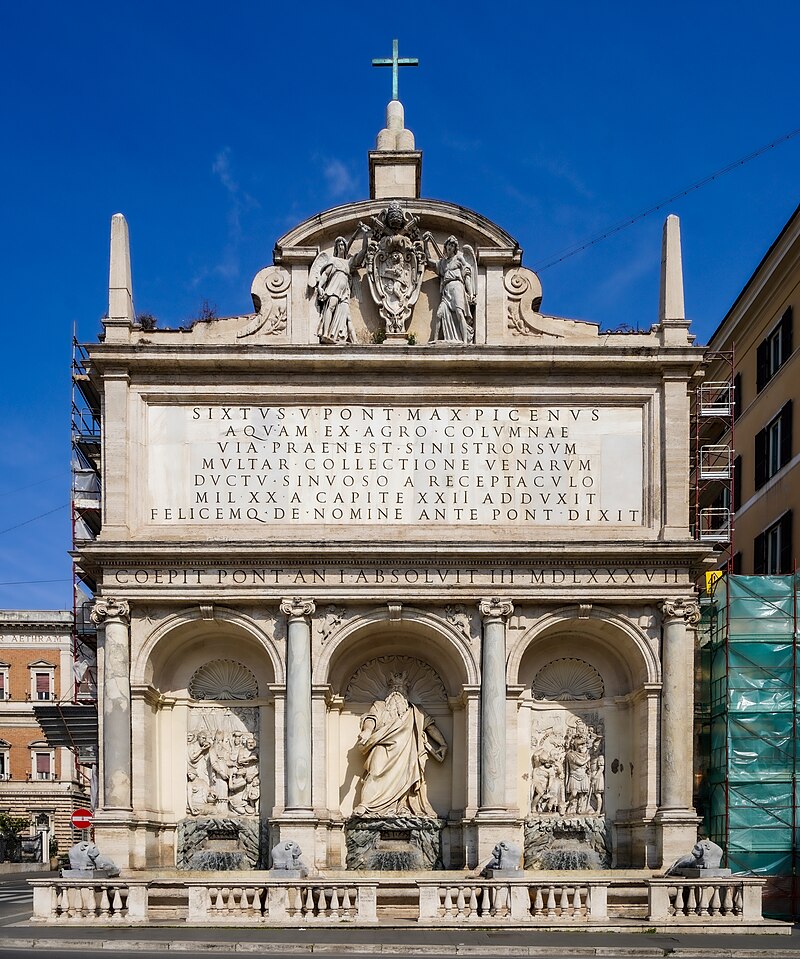
Fontana dell acqua Fellice or Fontana del Mose (Moses Fountain): A visual feast built between 1585-1588 on Qirinale Hill and designed by Domenico Fontana. It is structured with three elegant arches. The source of the water is approximately 40 km away.
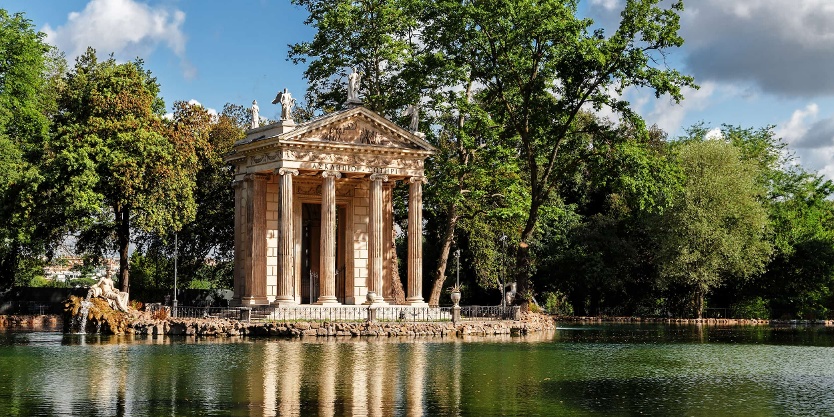
Gallery Villa Borghese and Borghese Park: The Villa Borghese, named after the Borgese family, has a very beautiful public garden in front of . It is one of Rome’s main galleries and contains famous paintings by Caravaggio and Raphael.
Vatican City State : I will mention it briefly since I have prepared a more comprehensive article about the Vatican. It is an independent state located within the borders of the province of Rome. It is the center of the Catholic sect in Christianity. It has a population of approximately 1000. The Basilica of San Pietro (St. Peter’s Basilica) in the Vatican can be visited free of charge but if you want to go up to its dome that part is charged. The statue in the basilica, signed by Michelangelo is a magnificent work worth seeing. This is the only work he signed. Jesus is depicted in the arms of his mother Mary after he was taken down from the cross. Master Michelangelo worked the marble like a fabric. Your attire must be appropriate at the entrance, arms and shoulders must be covered, shorts, miniskirts, hats, etc. are not allowed. It is forbidden to enter with items such as large backpacks and umbrellas, you must leave them in the cloakroom. It is the largest church in Christianity. The main architect of the structure was Michelangelo, most of it was completed during his time and was finished after his death. There is a statue of St. Paul in front of the basilica.
Vatican Museums, Vatican Gardens and Sistine Chapel: The Vatican Museums are one of the largest museums in the world located within the borders of the Vatican City and consist of 54 galleries, including the Sistine Chapel. If you want to visit the gardens, you need to buy a separate ticket for that too. It is forbidden to take photos in Sistine Chapel. There are a significant number of staff inside and they warn you. There are cafes and places where you can buy snacks in the museums. It will take a long time to visit all the museums therefore it is more practical to decide what you want to see the most beforehand. Definitely try to buy your ticket online before your trip.


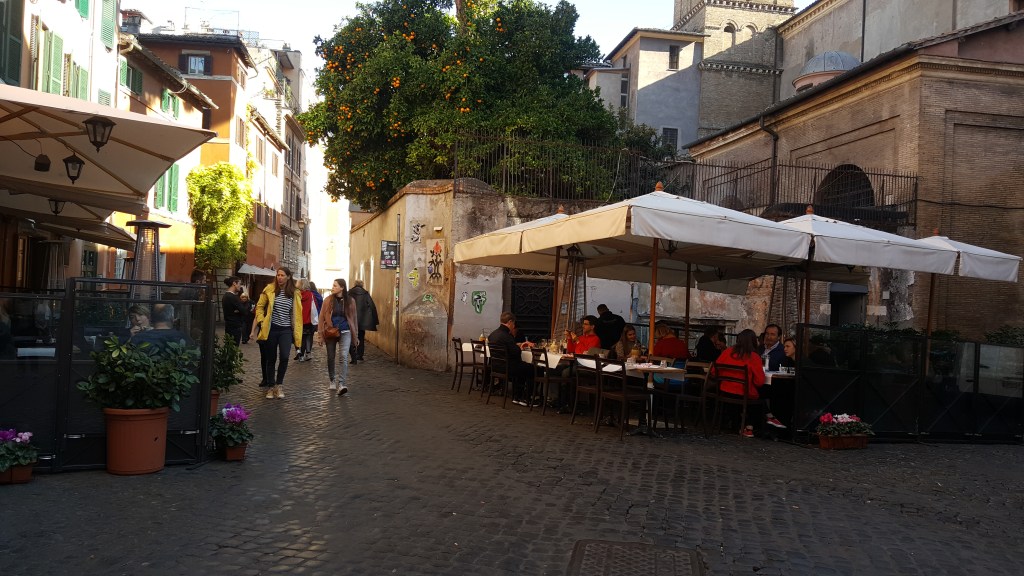
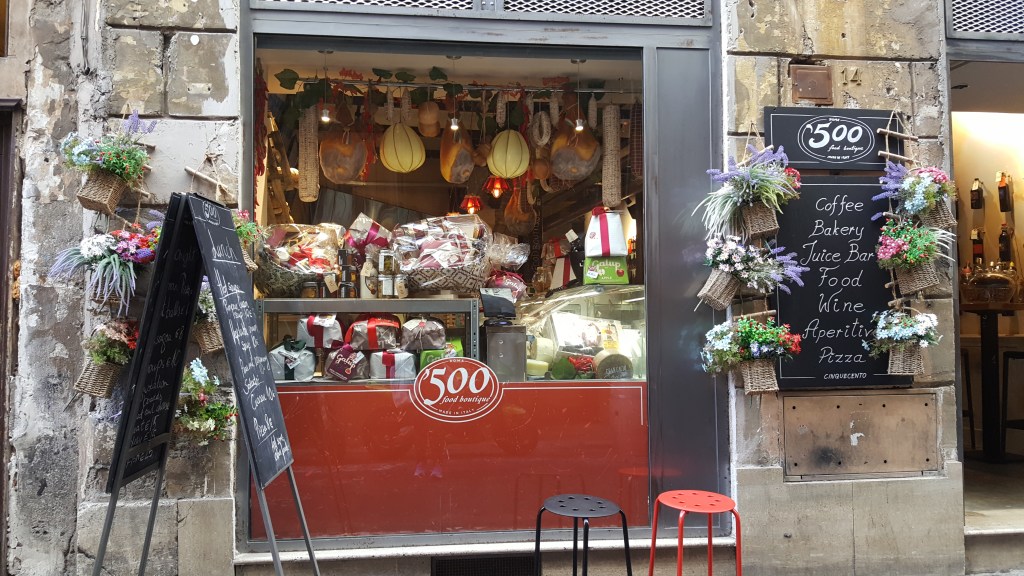
Trastevere : We recommend to visit Trastevere to those who have extra time in Rome. A pleasant area, it deserves to be visited with its cafes, small patisseries and pubs. Trastevere literally means the other side of Tiber. The first Jewish settlement in Rome was also in this neighborhood. While it was a working-class neighborhood in the old days, it has turned into a bohemian neighborhood today. A half-day trip will be enough. Since there is no metro transportation, you can reach there either by walking or by bus.
 Gezmek Lazım